Same stone, two very different markets
Start with what is true and stays true: a lab-grown diamond is a real diamond. It has the same hardness, the same fire, the same brilliance as a mined stone of equal cut, color, and clarity. Anyone who tells you lab stones look different is wrong.
What differs is supply. Natural diamonds come out of the ground in finite, unpredictable quantities, filtered through decades-old mining operations, and no one can decide to produce more gem-quality two-carat stones next quarter. Lab-grown diamonds are manufactured, and manufacturing scales: more reactors, better yields, falling cost per carat, year after year.
Price follows supply. Since lab-grown stones reached the mainstream market in the late 2010s, their wholesale prices have fallen steeply and repeatedly — a stone that commanded a substantial fraction of natural pricing a few years ago now wholesales for a small fraction of it, and the trajectory has been one-directional. Retail prices have followed the same slope with a lag. This is not a scandal; it is what happens to the price of anything people get better at making. But it has an unavoidable consequence for resale.
What resale actually looks like for lab-grown
When you resell a diamond, the buyer is a dealer or jeweler who prices it against their alternative: buying the same stone at today's wholesale. For a lab-grown diamond, today's wholesale is low and next year's is expected to be lower, so a dealer's rational offer for a secondhand lab stone is a fraction of a number that is itself collapsing.
In practice, secondhand lab-grown diamonds trade near zero relative to what buyers paid at retail. Many jewelers decline to buy them back at all — not out of snobbery, but because holding lab inventory means holding a depreciating asset they can replace new, cheaper, next month. A lab stone bought at retail a few years ago may fetch pennies on the original dollar today, and there is no structural reason for that to reverse.
It is worth being equally honest about natural: natural diamonds also resell below retail. Retail carries markup, and a private seller does not recover it. The difference is that natural stones have a functioning, liquid secondary market — dealers actively buy them, auction houses trade them, and their wholesale floor is supported by constrained supply rather than eroded by expanding production. A natural stone recovers a meaningful portion of its value; a lab stone, essentially none. One is an asset with a bid under it. The other is a consumable.
When lab-grown still makes sense
If resale value were the only criterion, this would be a short article. It is not, and there are buyers for whom lab-grown is genuinely the right choice.
Maximum look per dollar. If the goal is the largest, whitest, cleanest stone a budget can produce, and the piece will be worn until it is worn out, lab-grown wins on arithmetic. The same money buys dramatically more carat and clarity in a lab stone, and on the hand the two are indistinguishable.
No resale intent, honestly assessed. Plenty of jewelry is bought to be worn forever and passed down, never sold. If that genuinely describes the purchase — and you are comfortable that the piece will never be an emergency asset — the resale gap costs you nothing.
High-risk wear. A stone for daily hands-on work, travel, or settings where loss is plausible argues for the cheaper identical-looking option.
The mistake is not buying lab. The mistake is buying lab while believing it holds value, or buying it at a price near natural. If you buy lab-grown, buy it cheap, buy it knowing it is a purchase and not a store of value, and enjoy it without illusion.
Why we sell natural
We sell natural diamonds, and the reasoning follows directly from the economics above rather than from sentiment.
Our model is built on pieces that hold their worth. Everything we list is owned outright, weighed on a calibrated scale, and priced with the melt and stone value visible in the piece itself — gold that is worth its gram weight at spot, and diamonds that a dealer anywhere would bid on. A natural diamond piece can be enjoyed for a decade and still walk into any buying office and command a real offer. That is the kind of object we want to stand behind, and it is the standard our all-sales-final policy depends on: we sell things whose value does not evaporate after purchase.
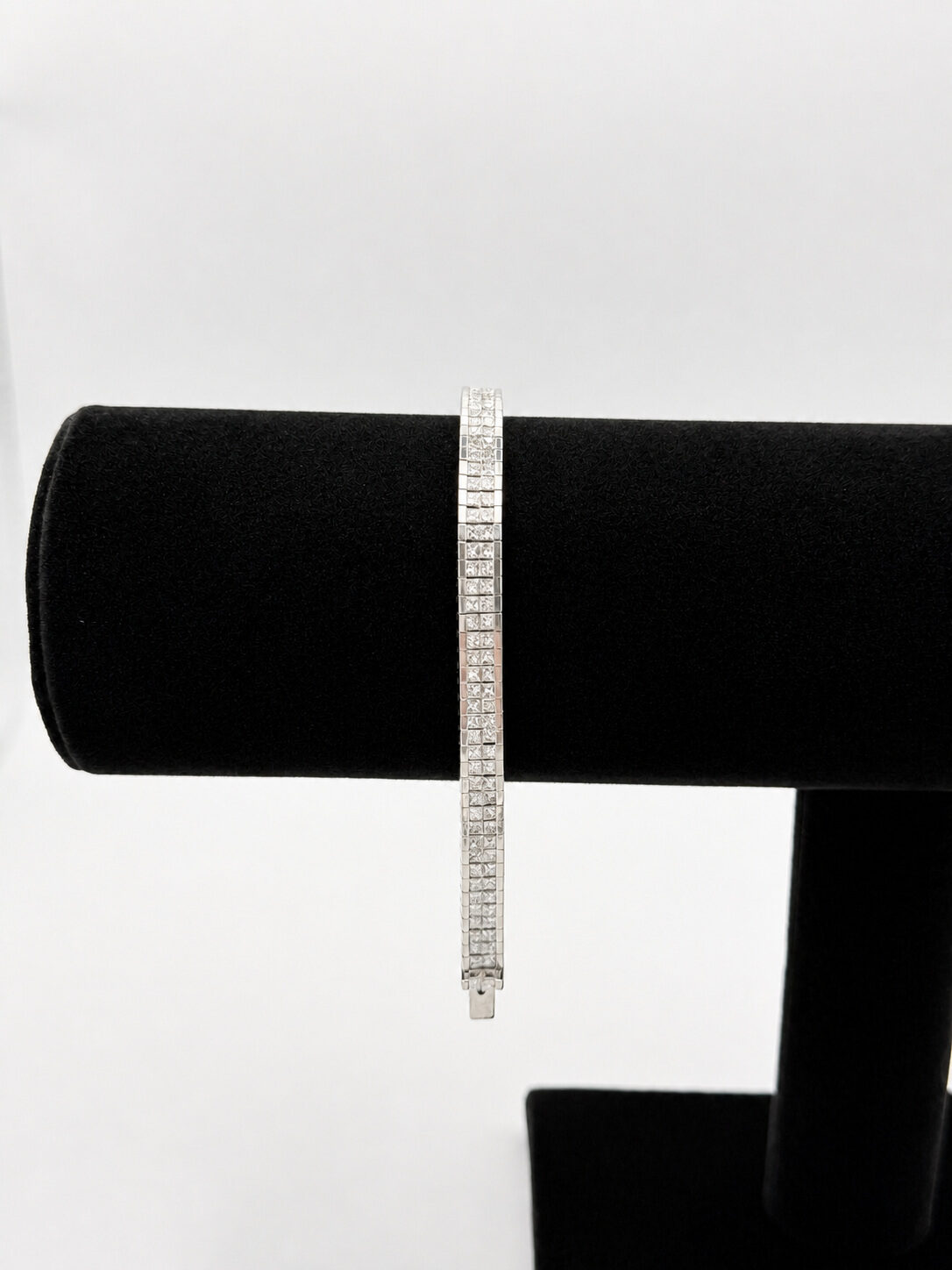
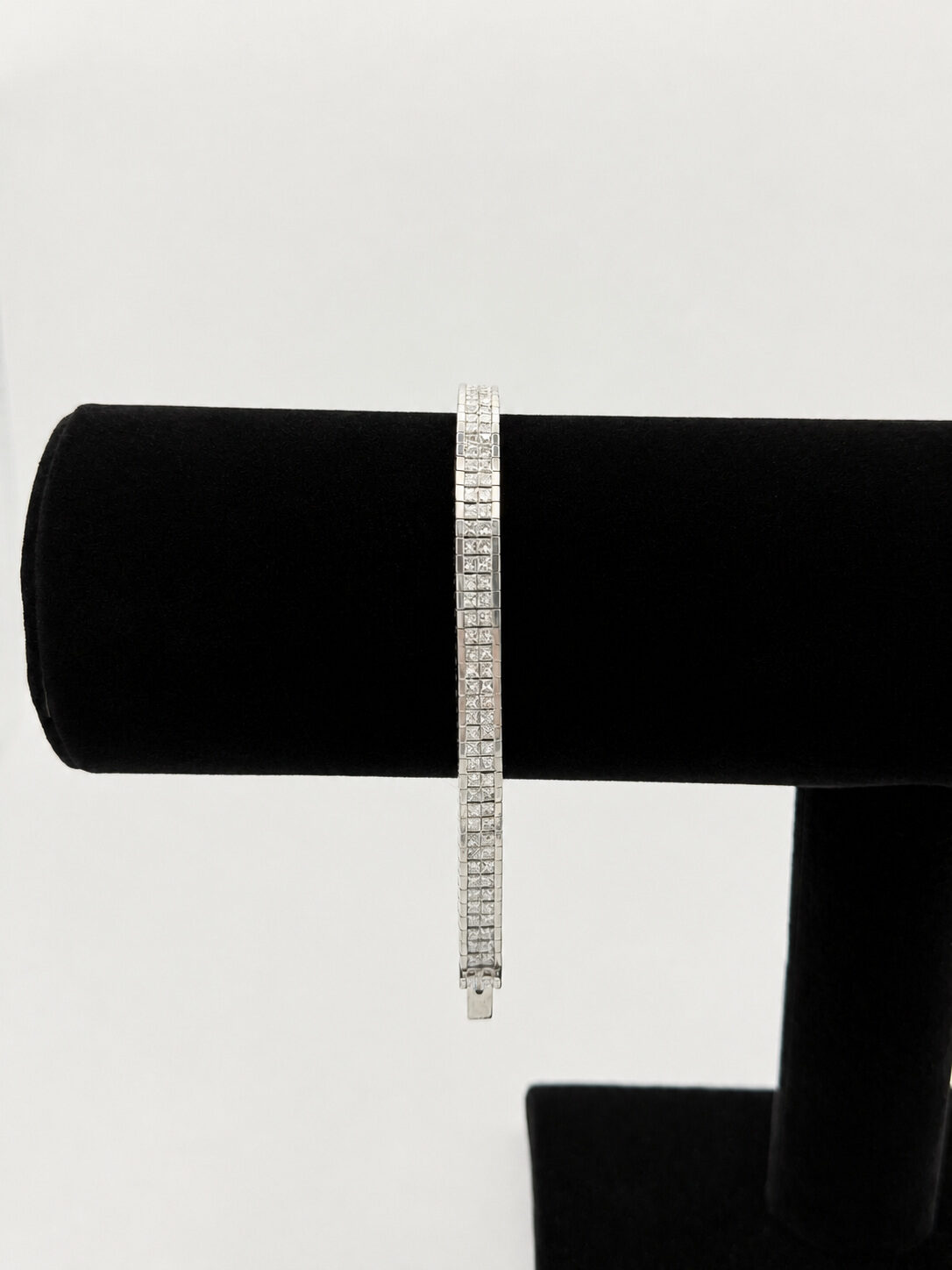
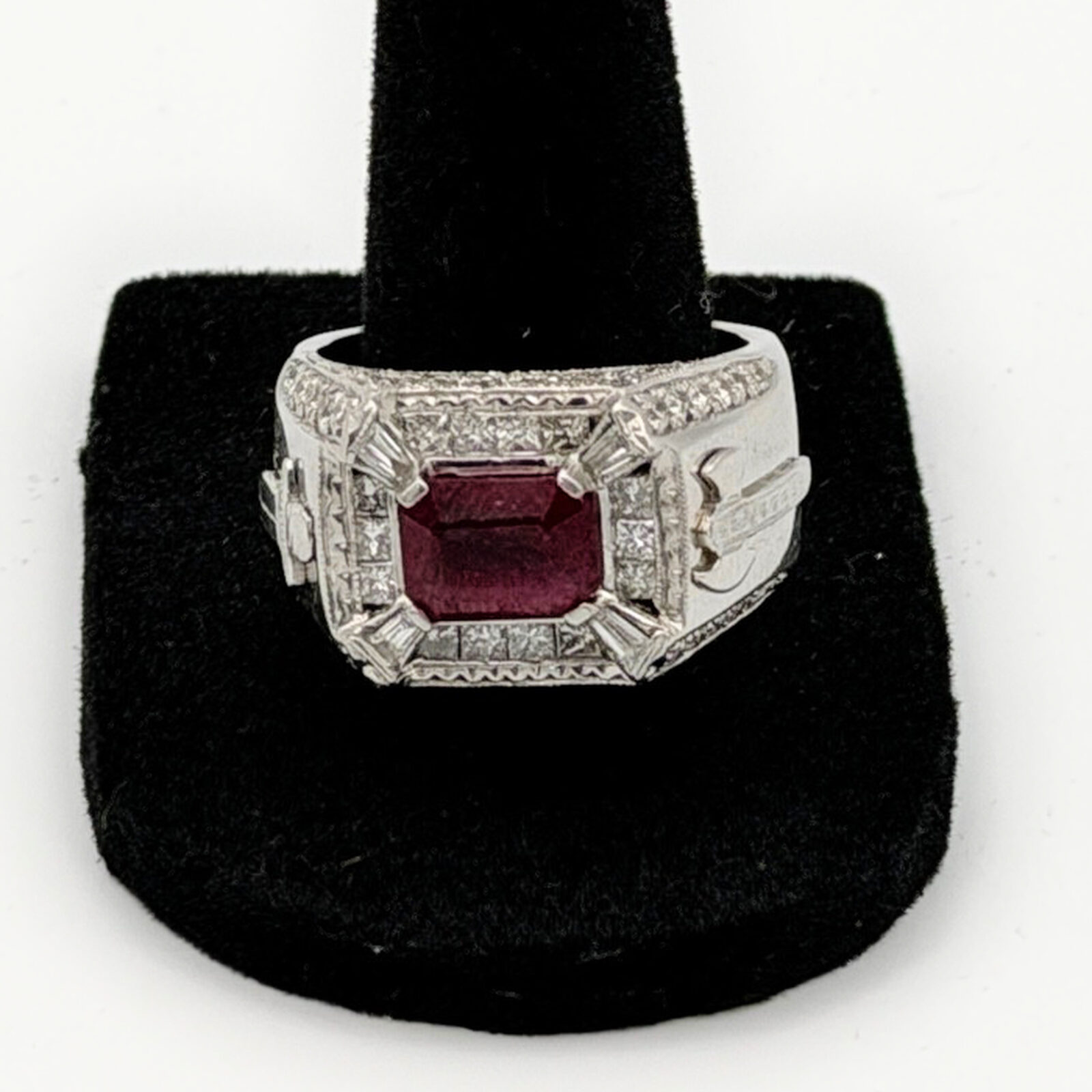
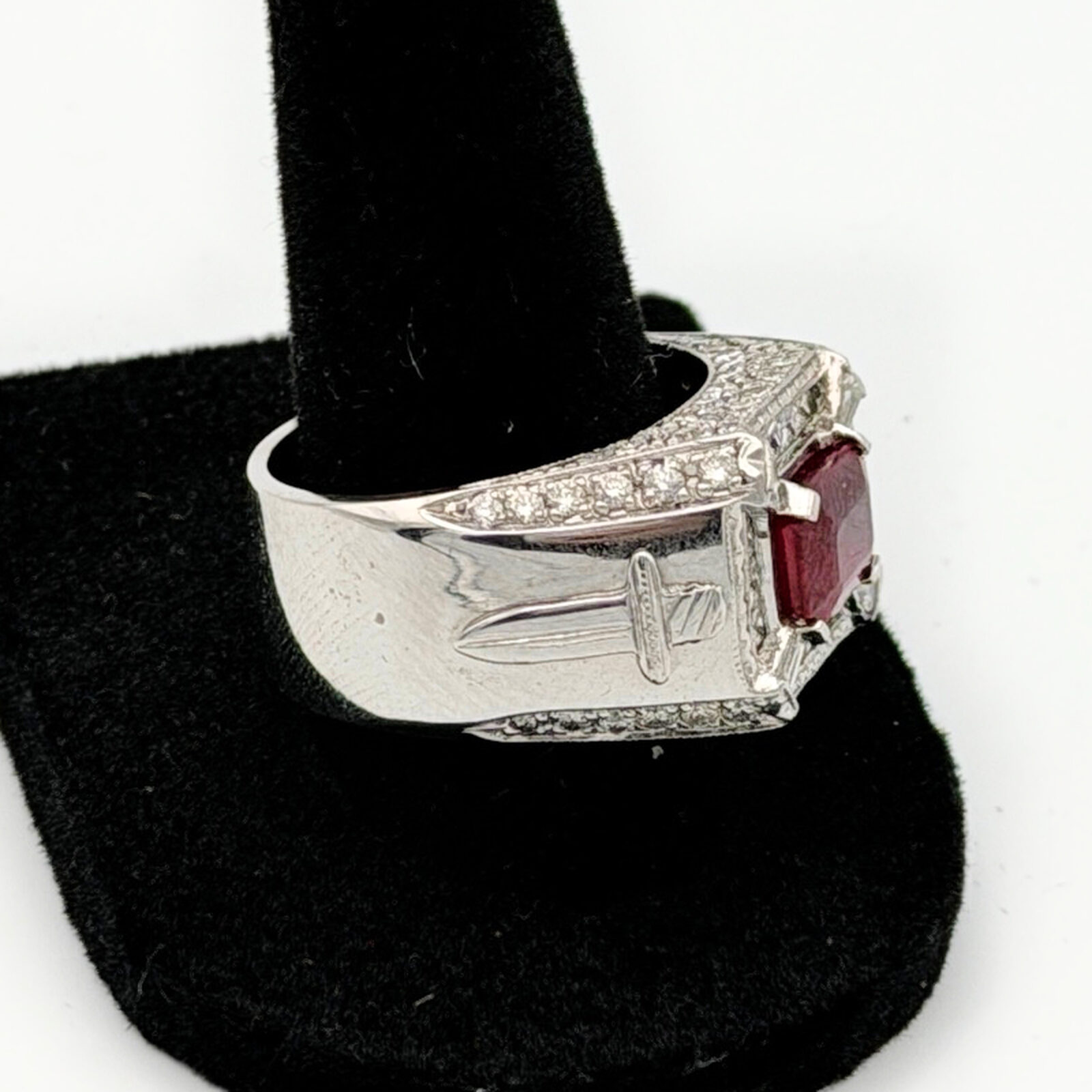
Lab-grown stones are legitimate products, but they do not fit that model. We cannot tell you a piece holds value while setting it with a stone whose replacement cost falls every year. So our diamond pieces — like the 3ctw natural diamond hamsa — are natural, stated plainly, with weights from the scale.
How to decide
Reduce it to two questions. First: is there any realistic future where this piece is sold — an upgrade, an estate, a change of circumstance? If yes, the resale gap is not theoretical, and natural is the defensible choice. Second: is part of what you are buying the fact of the thing — a finite stone formed in the earth rather than a manufactured equivalent? Some buyers care about that deeply, some not at all, and both positions are honest. Answer no to both, and lab-grown at a sharp price serves you well; answer yes to either, and pay for natural.
If you land on natural, we keep a rotating selection of one-of-each diamond and gold pieces in the shop — each photographed as-is, never from stock imagery. For questions about any specific piece, or to arrange to see one in person in Orange County, use the enquiry form and we will respond with weights, details, and additional photos.