The floor: melt value
Strip away design, brand, and story, and a gold chain is a quantity of refined metal. Its melt value — what the raw gold is worth — is a three-term multiplication:
spot price × purity × weight in grams
Spot is the live market price of pure gold, quoted per troy ounce (31.1 grams). At $4,400 per ounce, pure gold runs about $141 per gram. Purity is the karat fraction: 24k is essentially pure, 18k is 75% gold, 14k is 58.3%, 10k is 41.7%. So 14k gold carries roughly $82 of gold per gram at current spot; 18k about $106.
Weight is the term sellers are quietest about, which is exactly why we publish it. Every piece we list is weighed on a calibrated scale and the gram weight stated, because without it the melt math is impossible and the buyer is pricing blind.
Melt value is a floor, not a fair price — refining and dealing costs mean a scrap buyer pays somewhat under melt, and a finished piece is worth more than its metal. But the floor is the anchor. Every other dollar in the price is paying for something above the metal, and you should know how many dollars that is.
A worked example at $4,400 gold
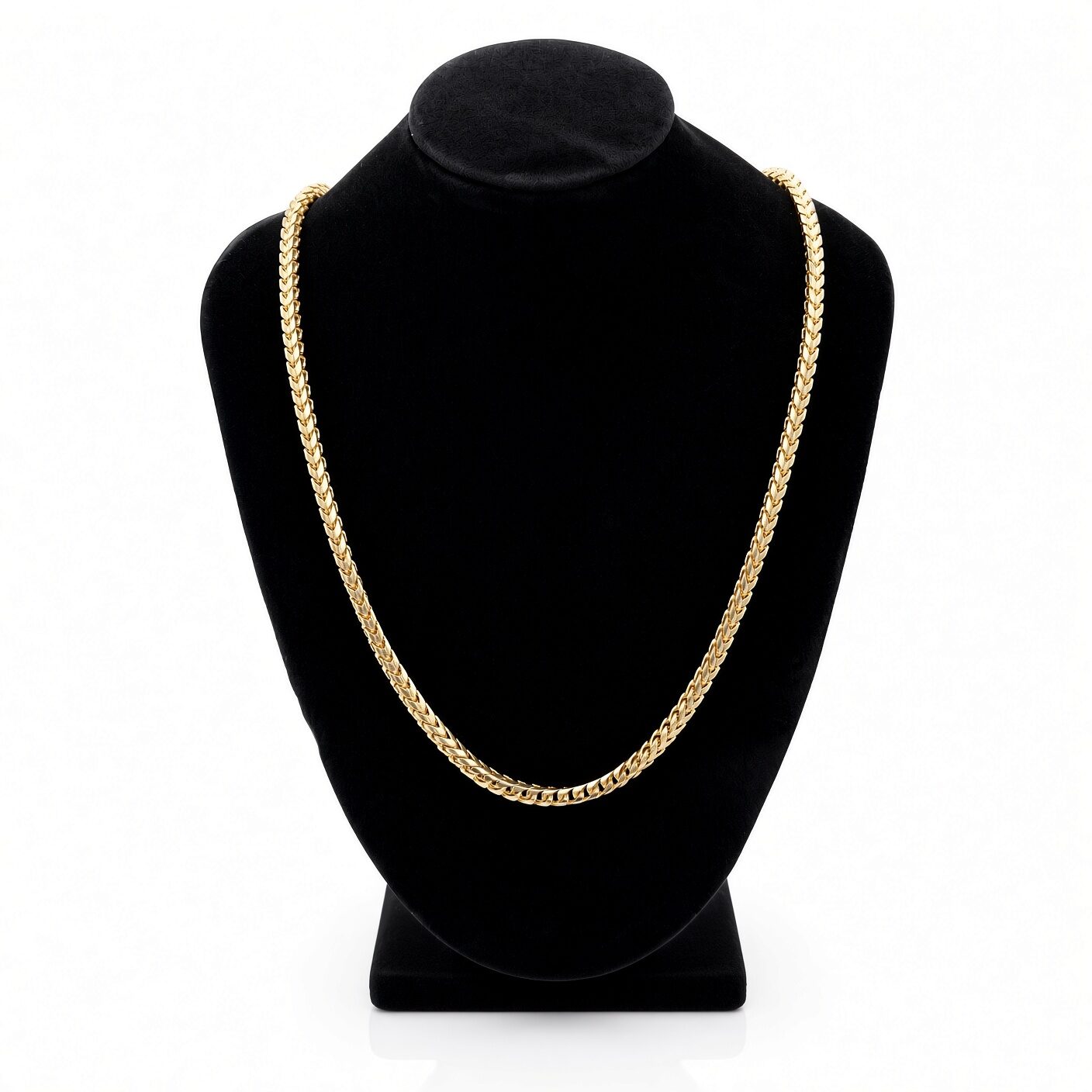
Take a concrete piece: a solid 14k franco chain weighing 42 grams.
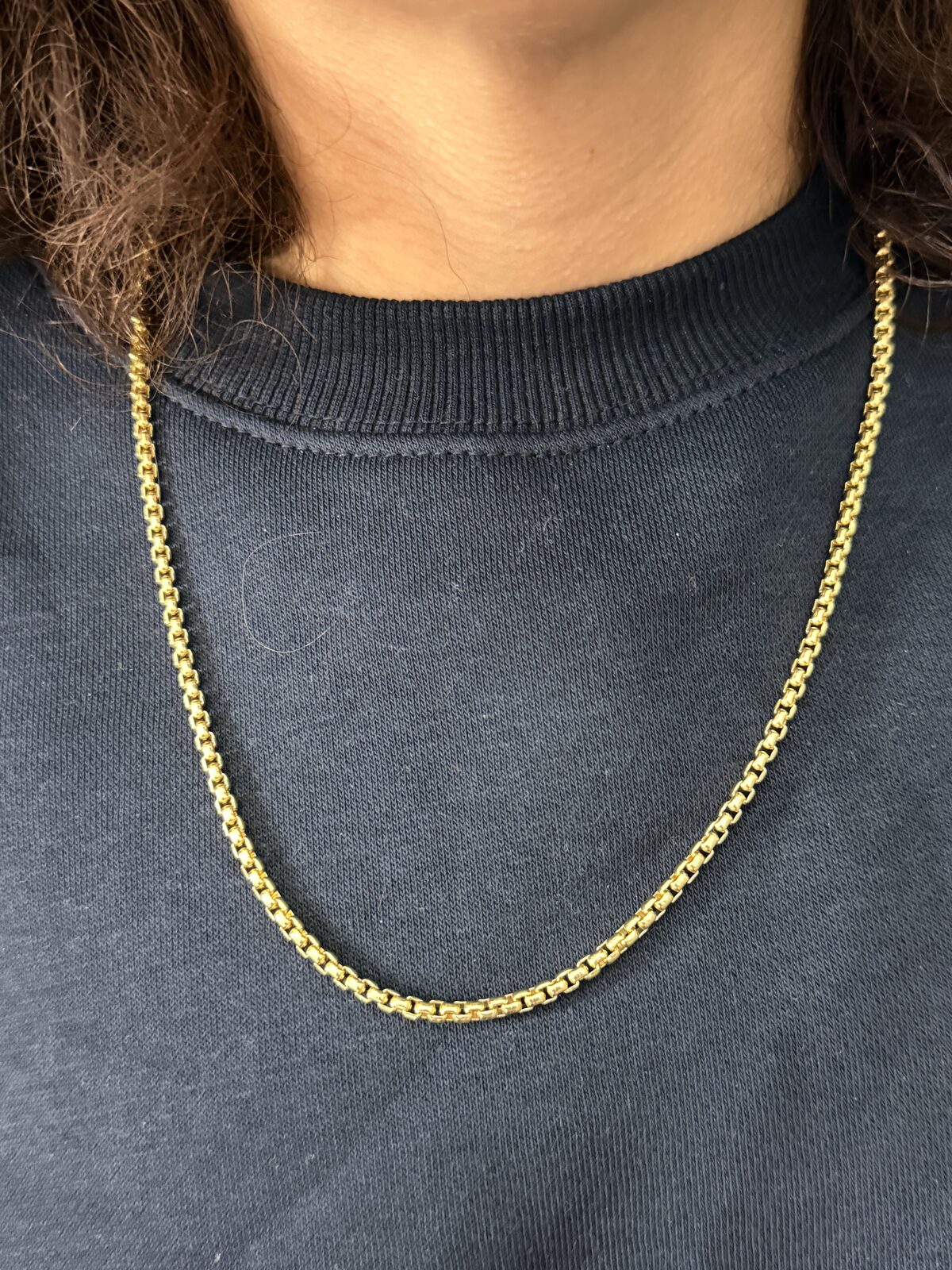
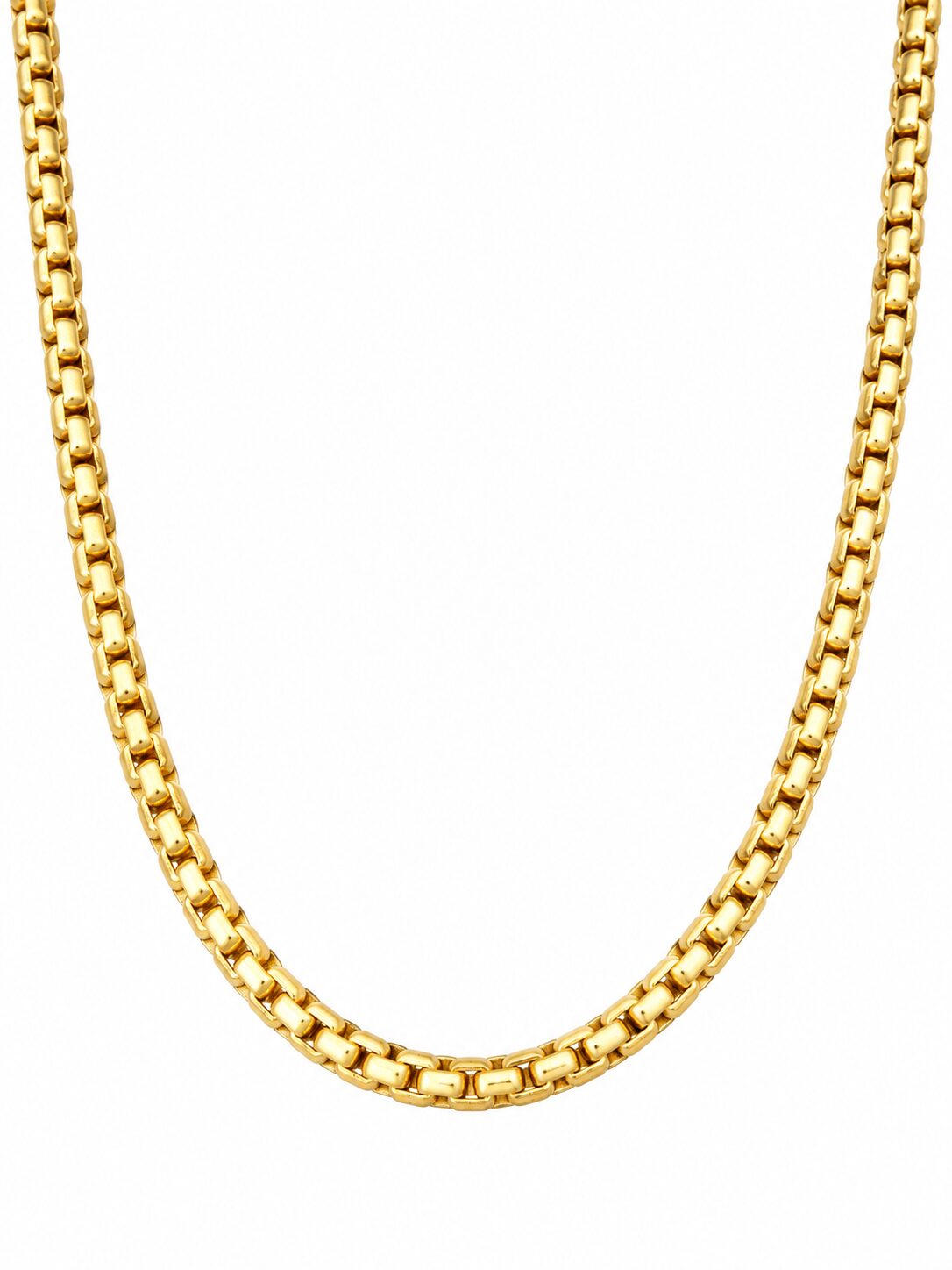
The math: 42 grams × 0.583 purity ≈ 24.5 grams of pure gold. At $141 per gram, that is roughly $3,460 of gold content in the chain before anyone has bent a single link. That number is real in the most literal sense — it is approximately what the metal itself trades for, and it moves daily with spot.
Now the same buyer looks at a chain that appears similar in a mall case, priced comparably, and asks the one question that separates the two markets: what does it weigh? If the answer is 18 grams — common, because hollow and semi-hollow chains are made precisely to deliver the look of a heavy chain at a fraction of the gold — the melt floor is about $1,480, less than half. Two chains, similar photographs, radically different objects.
This is why gram weight is the first specification on every listing we publish, and why we weigh on a calibrated scale rather than repeating a manufacturer's figure. The weight is the piece's balance sheet.
The making premium: what labor and design add
Above the melt floor sits the making charge — the cost of turning refined gold into a finished piece. This is legitimate value, and it varies enormously by construction.
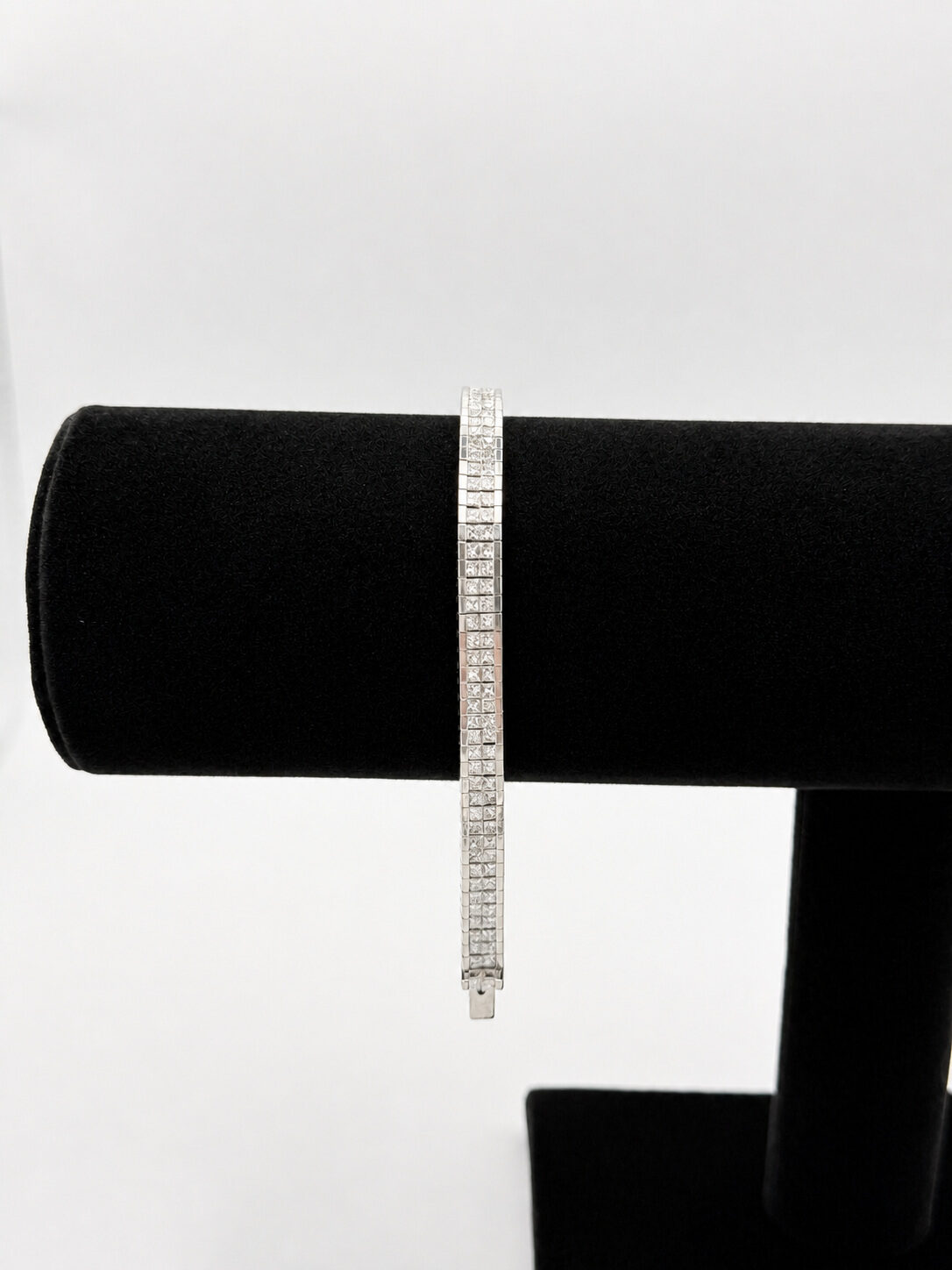
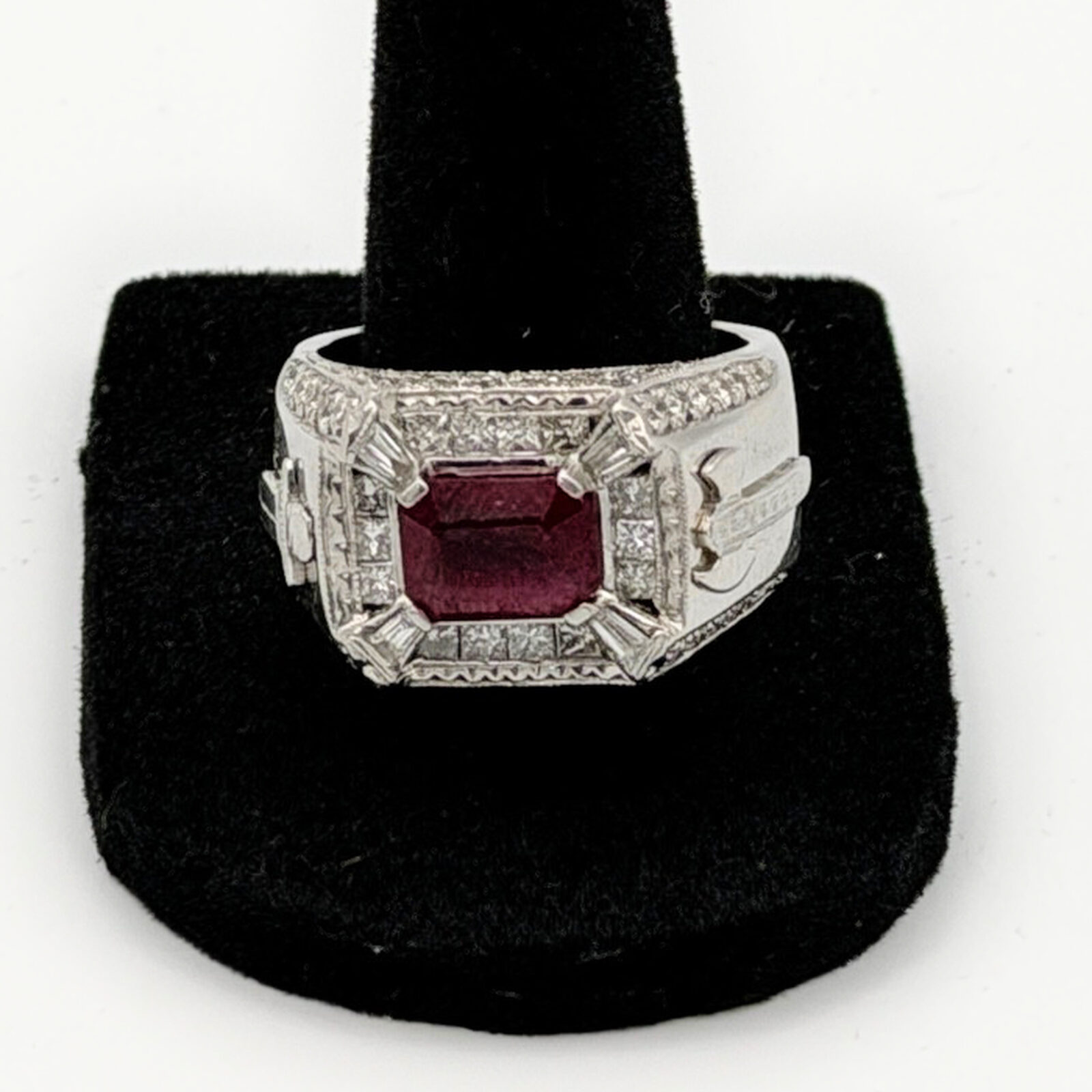
Machine-made chain in standard patterns carries the smallest premium; the work is automated and the pattern is commodity. Complex weaves cost more because they are slower to produce and finish — a dense franco or a well-made rope involves more operations per inch than a simple cable. Hand-finished work, stone setting, and one-off design sit at the top: pavé setting alone can involve hours of drilling, seating, and bead-raising per piece, and that labor prices accordingly.
Construction quality hides in this layer too: solid links versus hollow, properly soldered joints versus formed closures, a clasp rated for the piece's weight — all making decisions, all invisible in a photograph. On solid, well-made pieces the making charge typically adds a moderate percentage over melt. When it is large, you should be able to see the work that justifies it.
The brand premium: what the name adds
The third layer has nothing to do with metal or labor. A branded piece from a major luxury house can sell for several multiples of an equivalent unbranded piece — same karat, comparable weight, comparable workmanship. The difference is the name, the box, the boutique, and the marketing that built all three.
This is not automatically a bad buy. Top-tier branded jewelry can hold value on the secondary market partly because of the name, and some buyers want exactly what the brand represents. But be clear-eyed about the structure: in a heavily branded piece, the gold may represent a small fraction of the price, which means the piece's value depends on the brand's continued cachet rather than on the metal you can weigh.
Unbranded solid gold inverts that structure: when most of the price is metal, most of the value is verifiable on a scale and priced live on a global market. It is also why identical-looking pieces can honestly differ threefold in price — one is mostly gold, one is mostly making, one is mostly name. All three can be fairly priced for what they are. The problem is only when a piece is priced like one category and built like another.
How to sanity-check any gold purchase
Before buying any gold piece, anywhere, run this sequence:
1. Get the gram weight. If a seller cannot or will not state it, walk away. This is the single strongest filter in gold buying.
2. Confirm karat and construction. Look for the stamp (14k/585, 18k/750) and ask directly: solid or hollow? Gold-plated and gold-filled pieces contain a small fraction of the gold of solid pieces and should be priced accordingly.
3. Do the melt math. Spot ÷ 31.1 × purity × grams. At $4,400 spot: about $82/gram for 14k, $106/gram for 18k. Thirty seconds on a phone calculator.
4. Judge the premium over melt. Divide the asking price by the melt value. A modest ratio on a solid piece is normal and fair — the making is real. A large multiple needs a large justification: significant stones, exceptional workmanship, or a brand you are consciously paying for.
5. Weigh it on arrival if buying remotely. Any kitchen-adjacent digital scale confirms the stated weight within a gram. An honest seller expects you to check.
A piece like our 14k white gold ball chain passes this exercise transparently because the specification is the listing: karat, millimeter, length, and weight, photographed as-is.
Buying gold with the math in hand
None of this reduces jewelry to arithmetic. The reason to own a beautiful chain rather than a bar is the beauty; the arithmetic is simply how you make sure you paid for beauty on top of value rather than instead of it.
Our end of the bargain is stating the numbers first: every piece in the shop is a one-of-one we own outright, weighed on a calibrated scale, photographed exactly as it is. Run the melt math on anything we list — we expect it. And if you want the current weight, live-spot context, or additional photos of a specific piece before deciding, send an enquiry; Orange County buyers can also arrange to examine pieces in person by appointment.