Karat is a fraction of 24
The karat system measures gold purity in twenty-fourths. Pure gold is 24 karat. From there the arithmetic is direct: 18k is 18 parts gold in 24, or 75 percent. 14k is 14 in 24, or 58.3 percent. 10k is 10 in 24, or 41.7 percent, the legal minimum to be sold as gold in the United States.
The remainder in each case is alloy: copper, silver, zinc, nickel or palladium, blended to adjust hardness and color. This is worth saying clearly, because the alloy is not filler in any pejorative sense. Pure 24k gold is too soft for a chain or a ring that will be worn; it scratches, bends and wears away. The alloy is what turns gold from a beautiful metal into a usable one. The karat question is really a question about where you want to sit on the curve between purity and practicality.
You will find the karat stamped somewhere discreet on nearly every piece of real gold jewelry: on the clasp tag of a chain, inside a ring band, on the bail of a pendant. American pieces are usually marked 10k, 14k or 18k, while imported pieces often carry the equivalent fineness numbers 417, 585 and 750, which are simply the purity percentages written as parts per thousand. Both marking systems describe the same metal, and knowing them means a hallmark can never confuse you.
Color, durability and skin: the real tradeoffs
Color follows purity. 18k yellow gold has a deep, saturated warmth because three quarters of what you are looking at is gold itself. 14k is a step brighter and slightly less rich, still unmistakably gold. 10k is paler again, with the alloy beginning to assert itself.
Durability runs the other way. More alloy means a harder metal, so 10k resists scratches best and 18k shows wear soonest, with 14k in between. Hardness is not the whole durability story, since a harder metal can also be more brittle, but for chains and daily rings the practical ranking holds.
Skin comfort is the tradeoff people discover last. The higher the karat, the less alloy sits against your skin. Sensitive wearers who react to nickel or copper tend to do better in 18k, and best in alloys that avoid nickel entirely. 10k, with nearly 60 percent alloy, is where reactions show up most often. And color itself is an alloy choice: rose gold, like our 14k rose gold diamond Hamsa pendant, gets its blush from a copper-rich alloy, while white gold, like our 14k white gold mirror link chain, uses white metals to mute the yellow.
Why 14k dominates American fine jewelry
14k is the compromise that satisfies the most constraints at once, which is why it is the default karat of the American fine jewelry counter. It is majority gold, so it carries real intrinsic value and a true gold color. It is hard enough to survive daily wear on a chain or a ring without babying. It takes every color alloy well, holds solder joints strongly, and polishes back to life after years of wear.
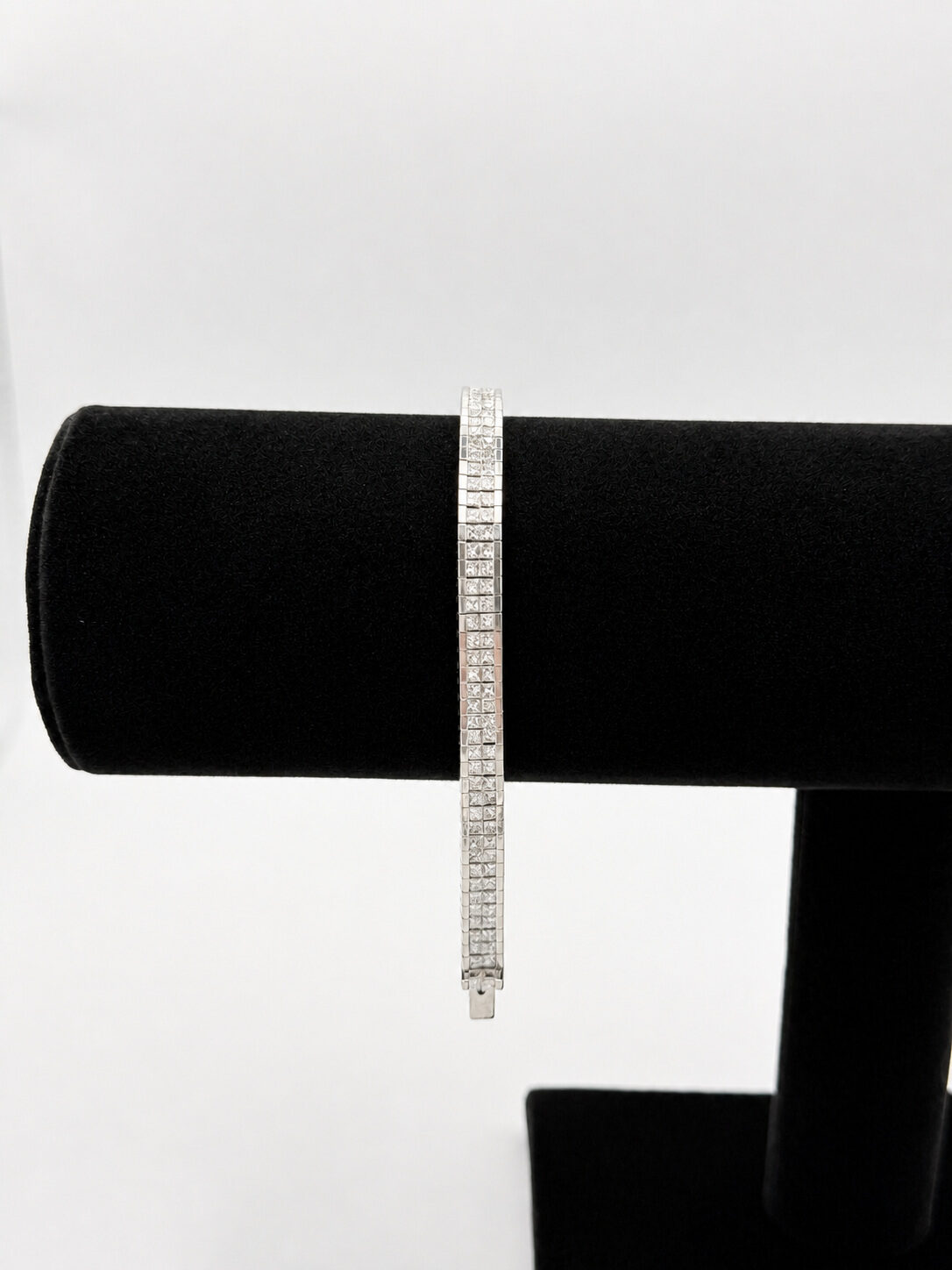
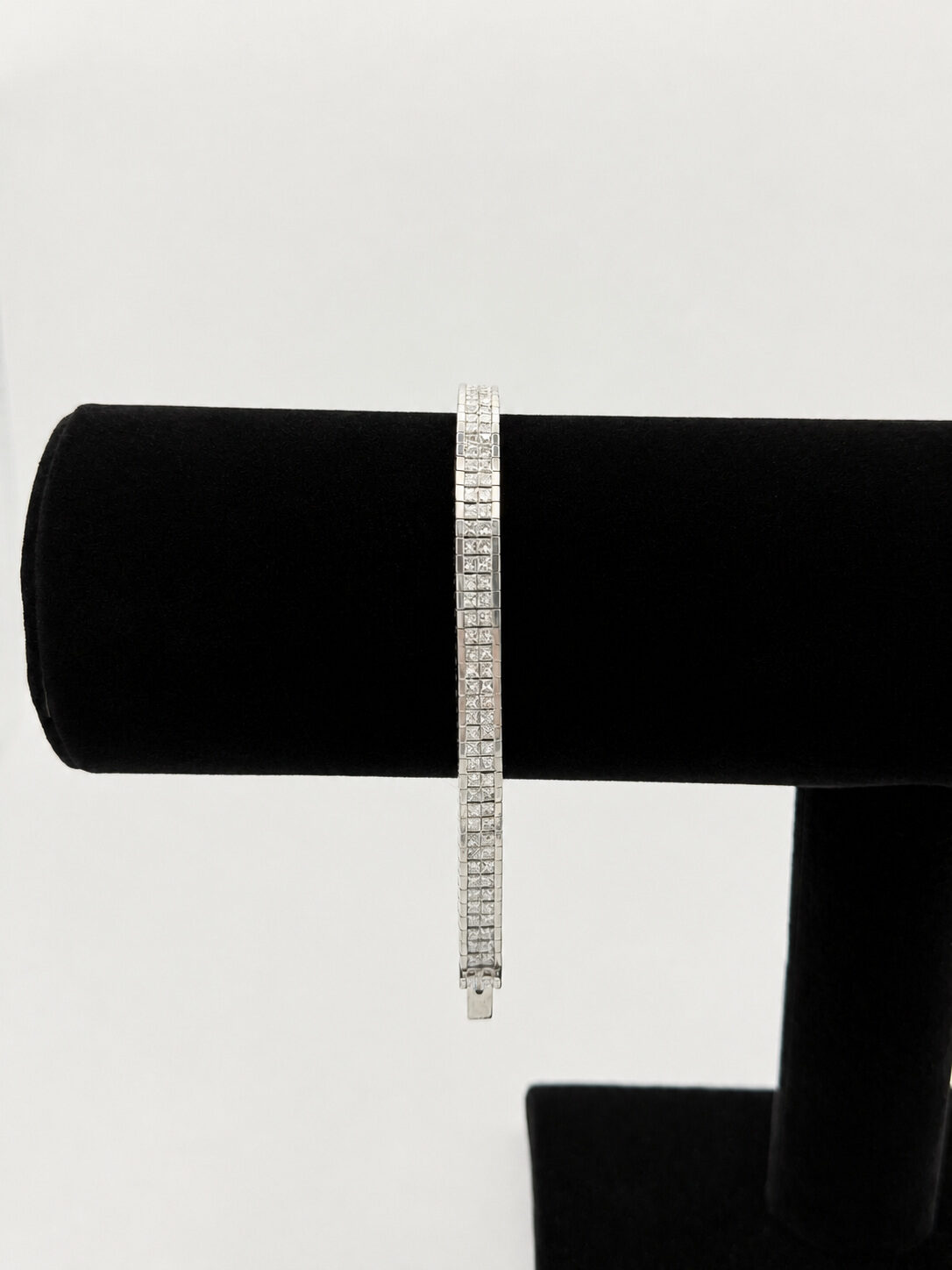
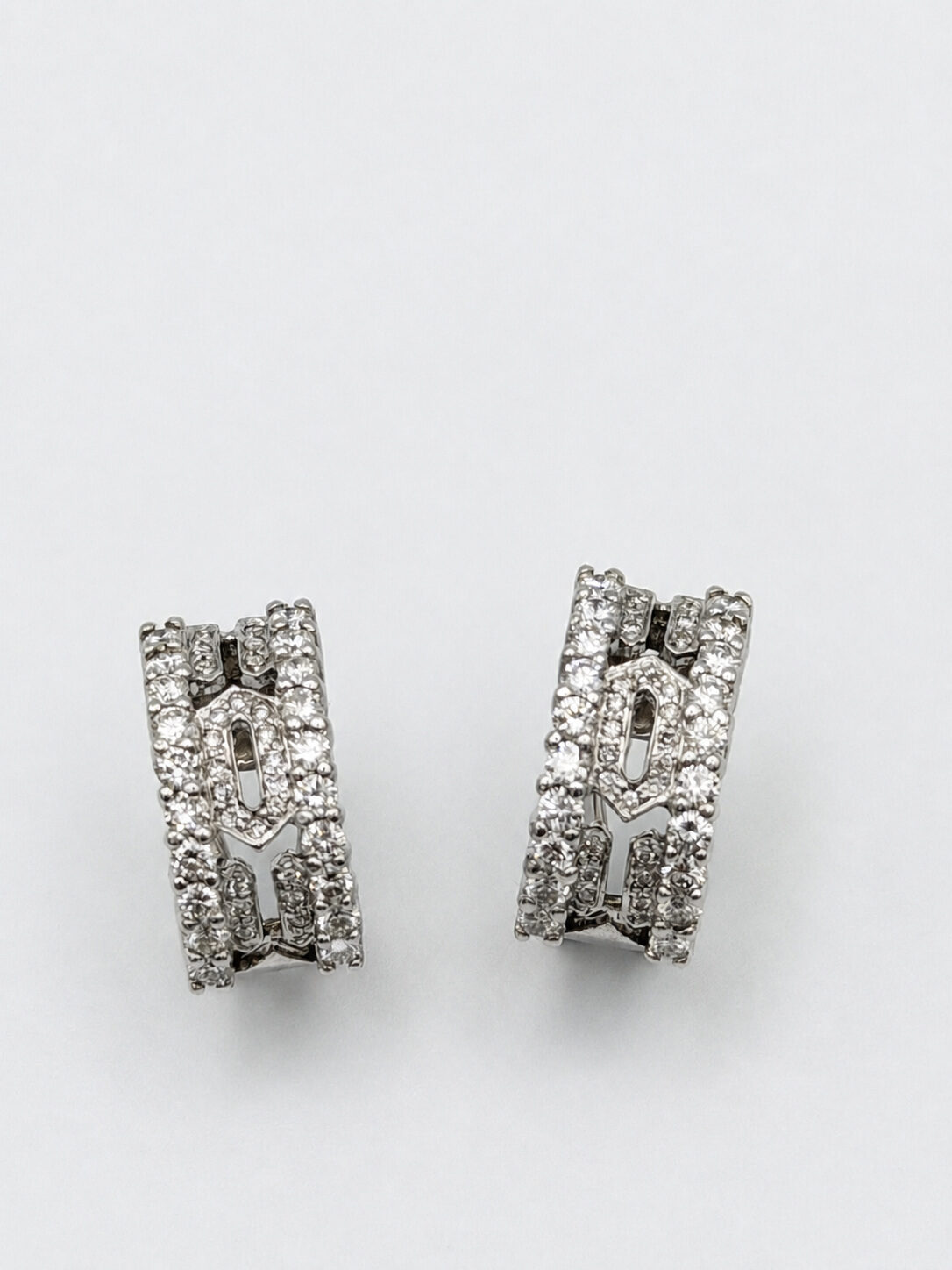
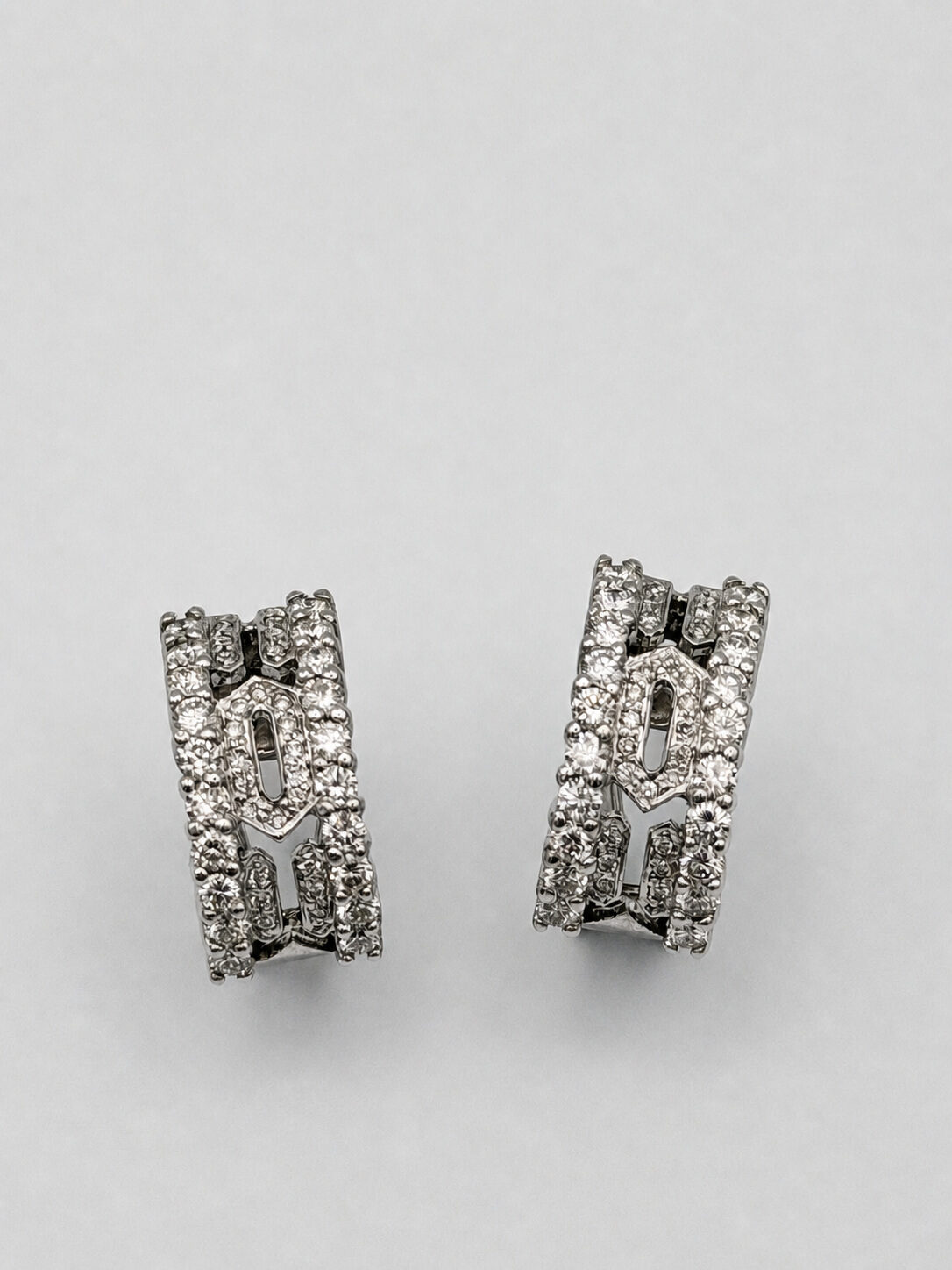
Europe and much of Asia lean toward 18k, prizing the richer color and higher intrinsic value, and accepting more frequent refinishing as the cost. Parts of the Middle East and South Asia go further still, favoring 21k and 22k for pieces that are as much a store of family wealth as they are ornament. Neither tradition is wrong; they weight the tradeoffs differently, and where gold doubles as savings, purity understandably wins. Our own inventory of solid gold chains, diamond bracelets, pendants and rings is predominantly 14k for exactly the American reasons: pieces meant to be worn, not stored, by people who do not want to think about them between wearings.
The price-per-gram math at today's spot
Karat also sets the floor under the price, and the math is worth doing once so listings can never mystify you again. With gold spot around $4,400 per troy ounce as of August 2026, and a troy ounce being 31.1 grams, pure gold runs roughly $141 per gram. Multiply by purity and you get the melt value of each karat:
- 10k at 41.7 percent: roughly $59 per gram
- 14k at 58.3 percent: roughly $82 per gram
- 18k at 75 percent: roughly $106 per gram
These figures move daily with spot, but the ratios never change: gram for gram, 18k carries about 29 percent more gold value than 14k, and 14k about 40 percent more than 10k. So a 42-gram chain like our 14k franco at 41.85 grams contains on the order of $3,400 of gold at today's spot before any accounting for manufacture. Melt value is not what jewelry should sell for, but it is the floor beneath every honest price, and knowing it turns you from a browser into a buyer who can evaluate.
Choosing your karat, and choosing a piece
If you wear jewelry daily and want to forget it is there, 14k is the sensible default, which is why it is ours. If your skin is reactive or you want the deepest color and do not mind gentler treatment, 18k rewards the care. If budget is the binding constraint and the piece will take abuse, 10k is a legitimate choice from an honest seller, provided it is priced like 10k.
Whatever the karat, the same three numbers should always be in front of you: purity, weight and price. Every piece in our collection states all three, weighed on a calibrated scale and photographed exactly as it is. If you are deciding between two pieces and want the tradeoffs laid out plainly, send us an enquiry and we will walk you through it.