The markup cascade, and why pre-owned sidesteps it
A new piece of fine jewelry passes through several hands before it reaches a display case. The refiner sells alloyed gold to a manufacturer. The manufacturer sells finished chain or castings to a wholesaler. The wholesaler sells to a retailer, who adds rent, staffing, financing costs, and profit on top. Each layer earns its margin, and every one of those margins is stacked into the sticker price you pay at the counter.
None of that markup survives resale. The moment a piece leaves the store, its market value resets toward what the piece actually is: a certain weight of gold at a certain purity, plus whatever premium its make and condition justify. Buying pre-owned means buying on that reset basis. With gold trading around $4,400 per troy ounce as of August 2026, the metal itself carries substantial, verifiable value — and a fairly priced pre-owned piece sits much closer to that intrinsic number than a new one ever does.
This is not a compromise. It is simply paying for the thing rather than the distribution chain behind it.
Gold is gold — it does not degrade
The strongest argument for pre-owned is metallurgical. Solid gold does not oxidize, corrode, or fatigue in ordinary wear the way base metals do. A 14k chain made decades ago contains exactly the same 58.3% gold as one cast last month, and a light polish restores its surface to very near new condition. There is no hidden wear clock inside the metal.
What does wear is mechanical: clasps, solder joints, and the contact points between links. These are inspectable. A seller who knows the piece can tell you whether the clasp closes with a firm snap and whether the links show thinning at friction points. That is the honest condition conversation — not whether the gold is somehow "used up," because it cannot be.
The practical upshot: condition on a solid gold piece is a repairable, surface-level question, while authenticity and weight are the questions that actually determine value. Spend your scrutiny there.
What to verify before you buy
Three things establish what a pre-owned gold piece is worth, and all three can be checked before money moves.
Weight. Gold is sold by the gram, so the listing should state a weight, and ideally the seller weighs on a calibrated scale. A 14k franco chain listed at 42 grams, like this 3.5mm example in our shop, tells you at a glance roughly what the metal alone is worth. A listing with no weight is asking you to buy blind.
Karat marks. Look for the stamp — 14k or 585, 18k or 750 — usually on the clasp tag or the inside of a shank. Stamps can be counterfeited, so they are a starting point, not proof; a reputable seller will also test the metal and stand behind the result.
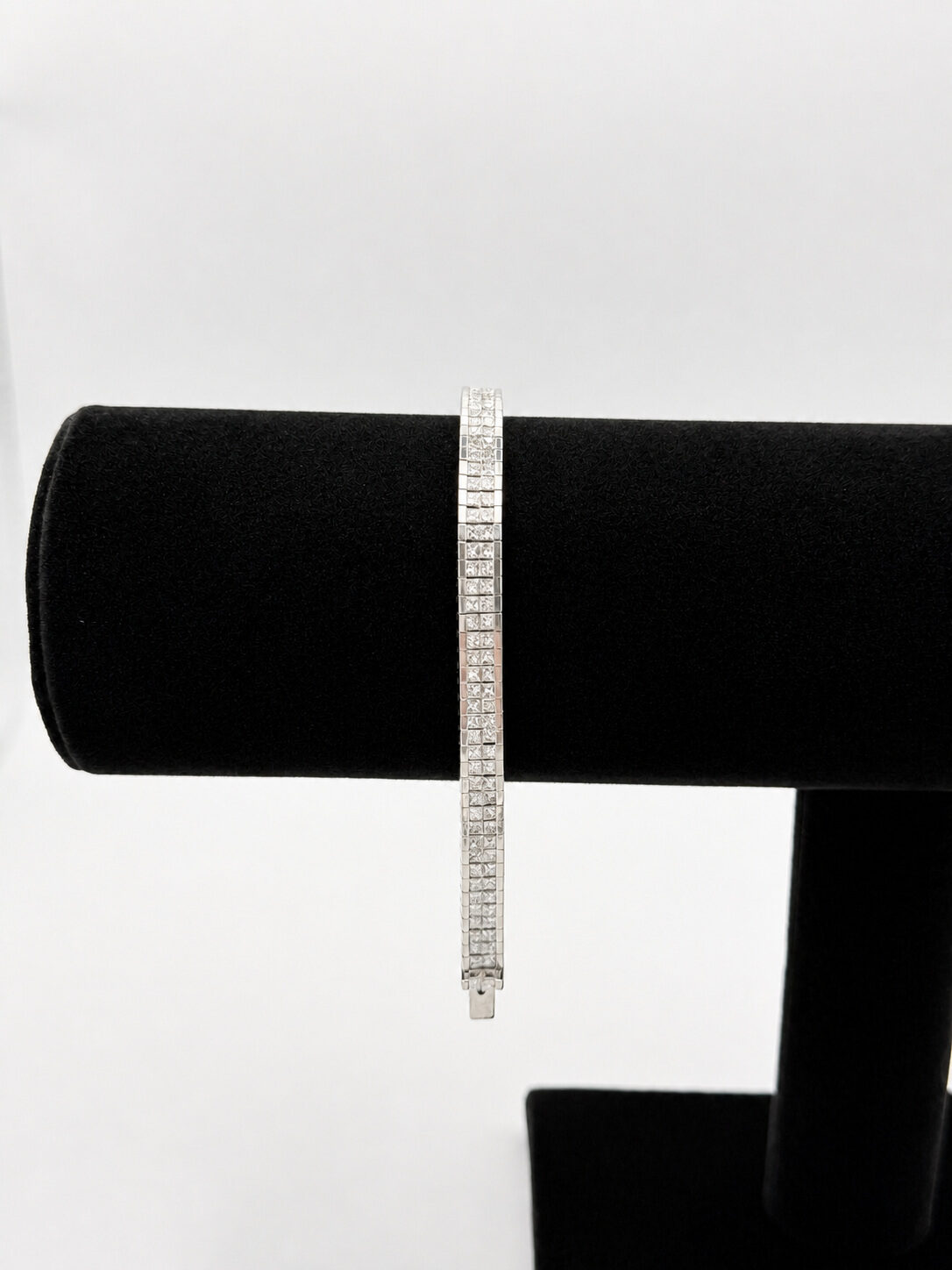
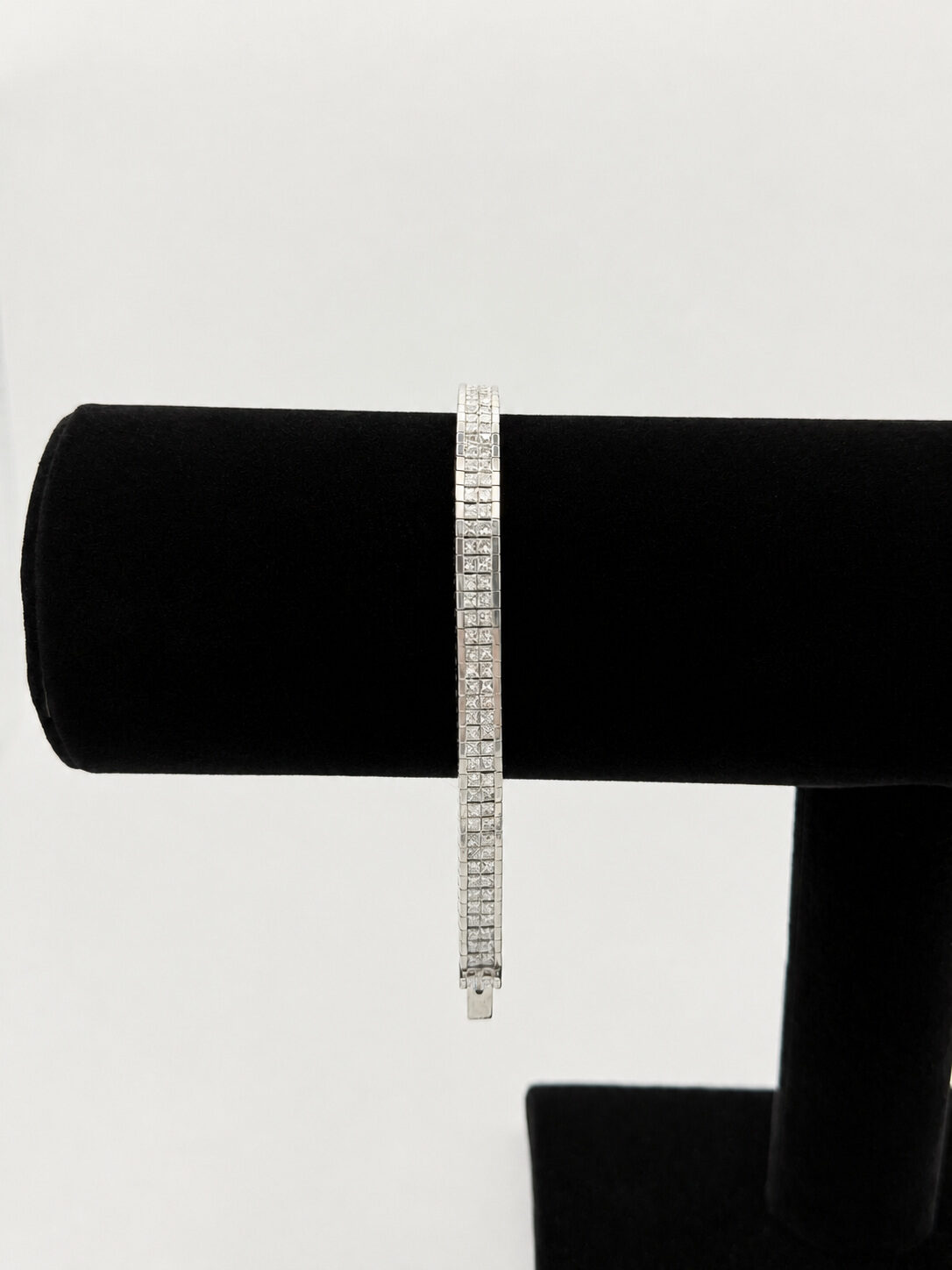
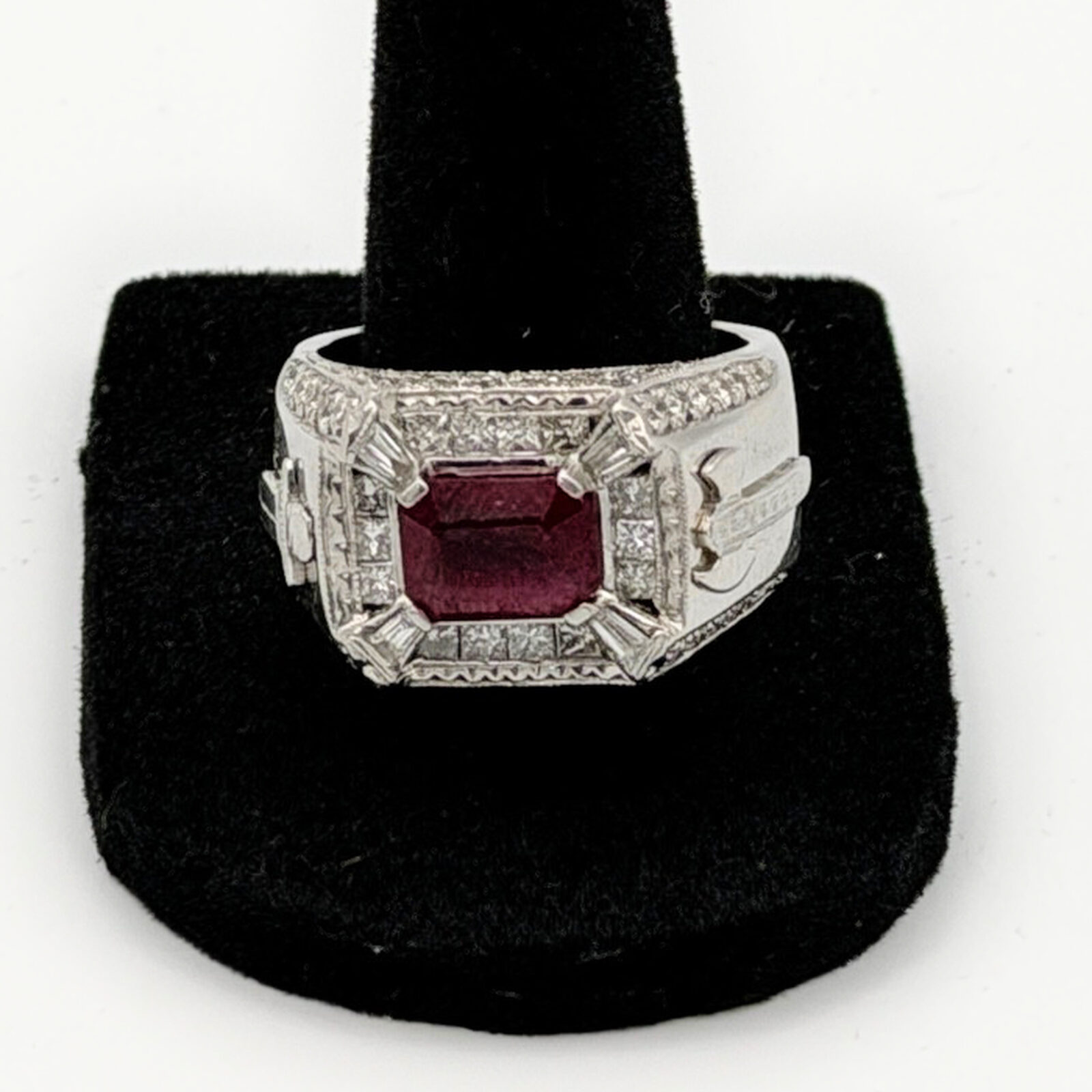
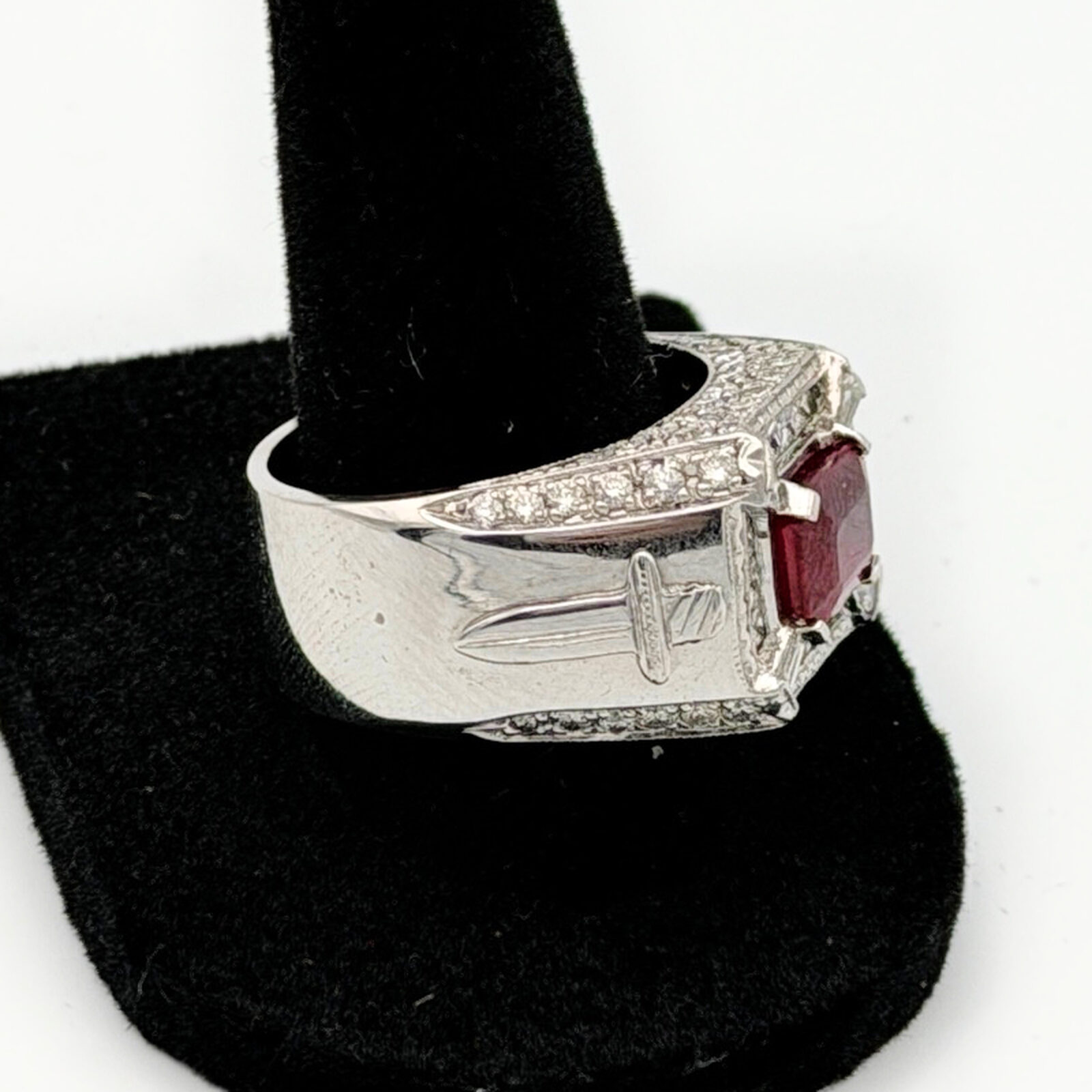
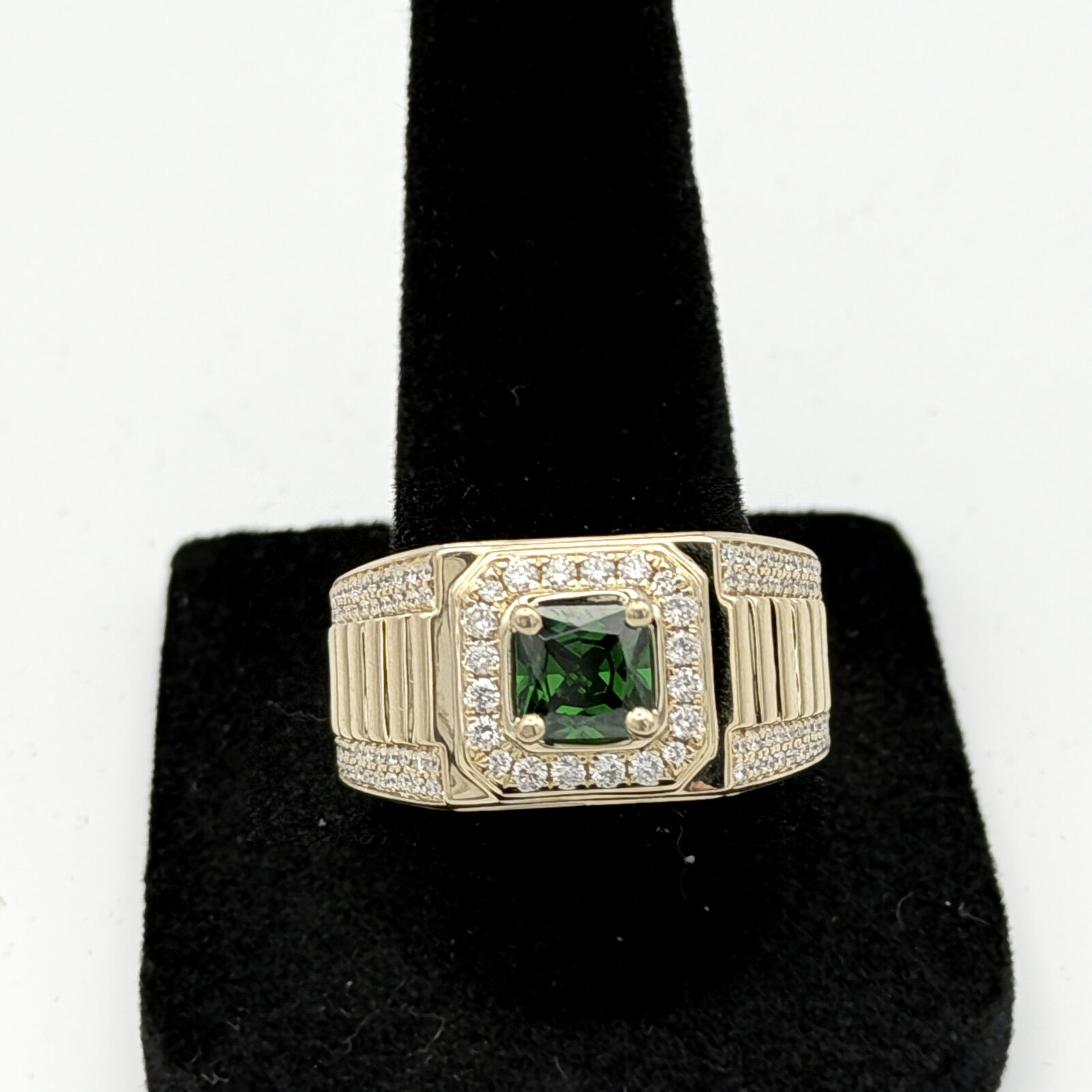
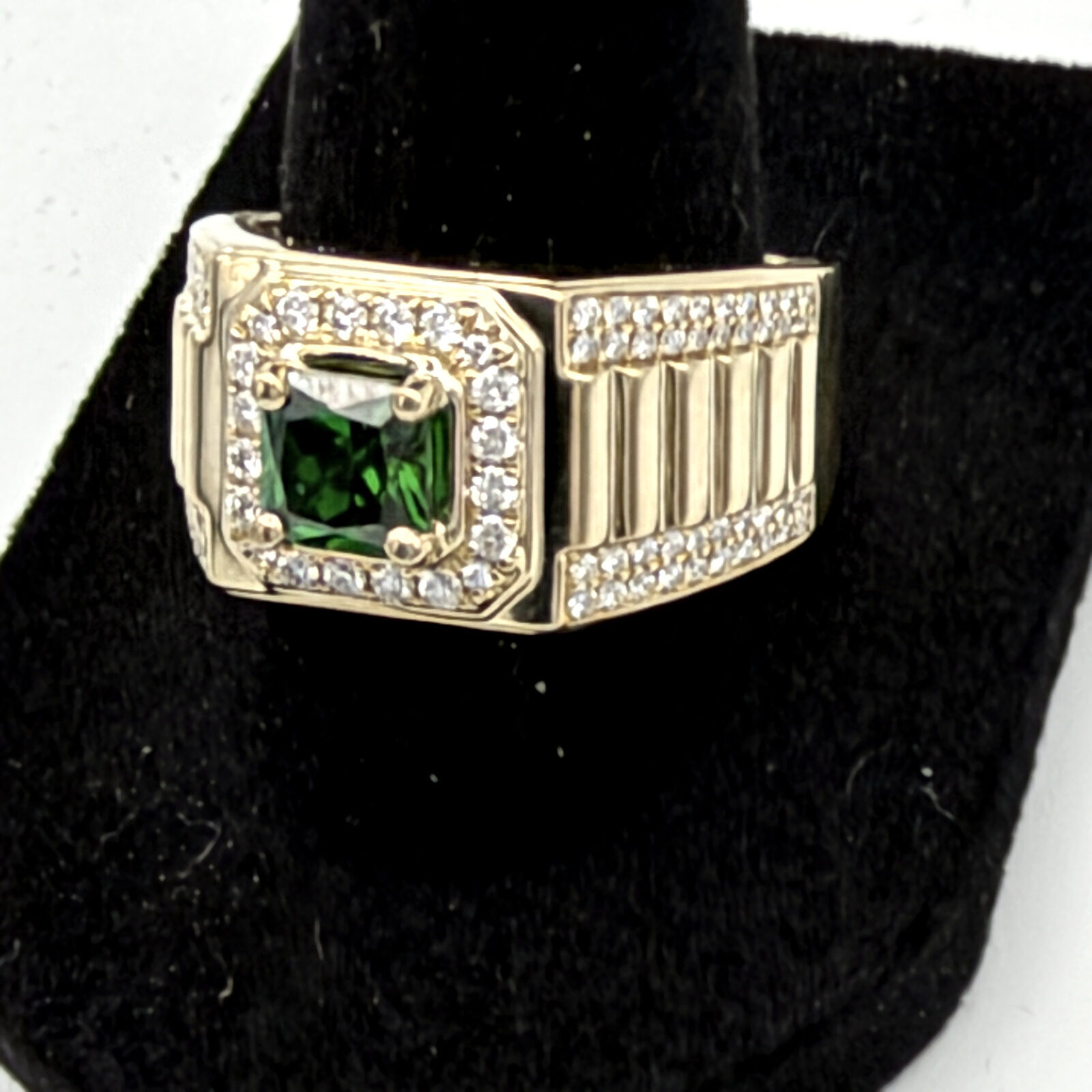
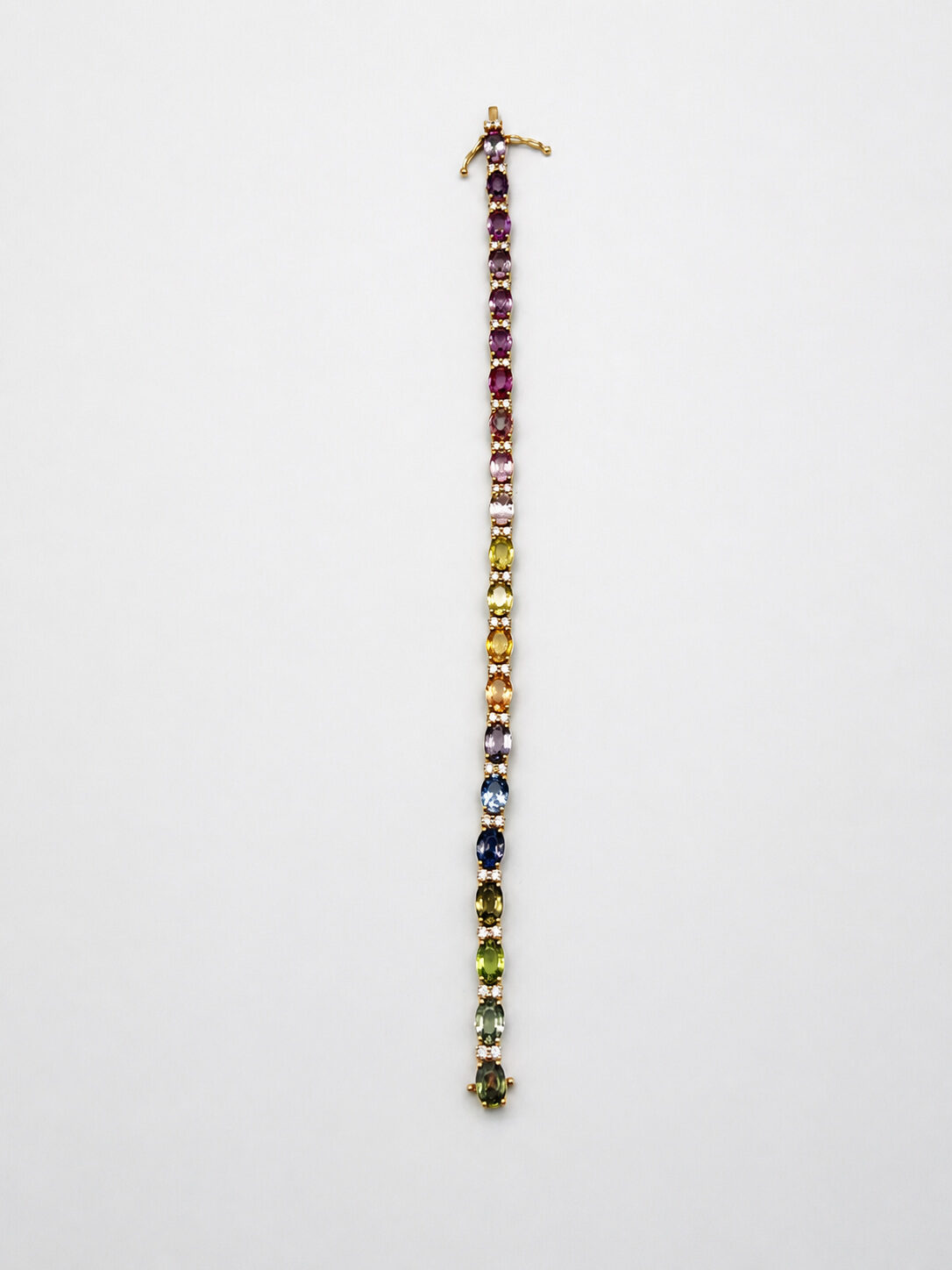
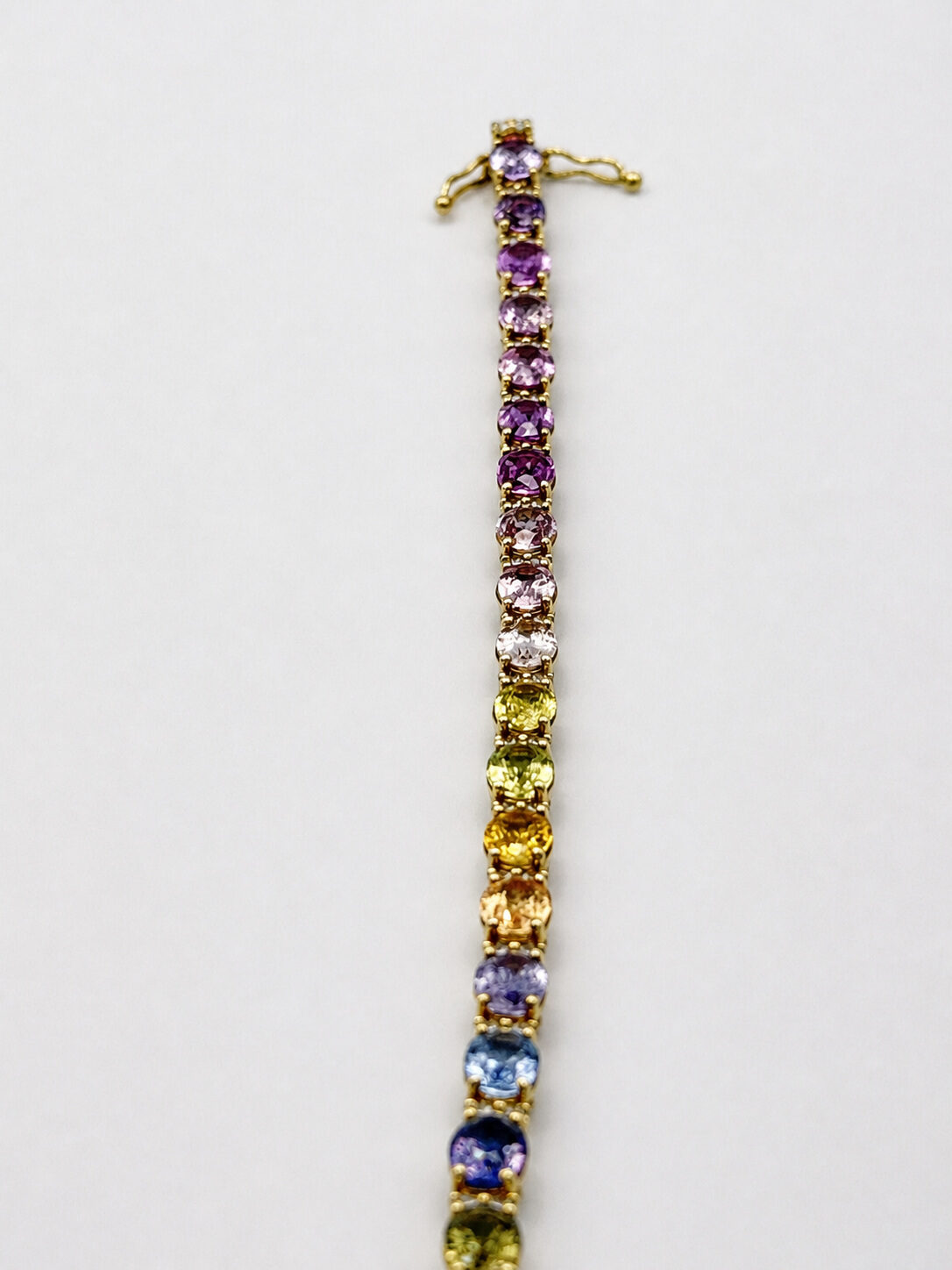
Photos of the actual piece. Not a render, not a manufacturer catalog image — the specific item you will receive, photographed as-is, flaws included. Every listing on our site is photographed this way because it is the only honest way to sell one-of-a-kind pieces. If the photo could apply to a thousand identical units, you are not looking at the piece you are buying.
Red flags worth walking away from
Most bad listings announce themselves if you know the vocabulary.
Weasel words around the metal. "Gold tone," "gold finished," "gold plated," and "gold filled" all describe base metal with a thin gold layer. None of them is solid gold, and a listing that buries this distinction is hoping you will not notice. The word you want is solid, paired with a karat mark and a weight.
No weight listed. For chains and bracelets especially, weight is the price. Its absence is rarely an oversight.
Prices below melt value. If a "14k" chain is priced meaningfully below what its stated weight of gold is worth as raw metal, something in the listing is false — the karat, the weight, or the solidity. Nobody sells real gold below melt on purpose.
Stock or borrowed photography. A reverse image search takes ten seconds. If the listing photo appears on twelve other sites, the seller has never handled the piece.
Pressure mechanics. Countdown timers and "three others are viewing this" banners belong to volume drop-shippers, not to anyone selling individual fine pieces.
How a serious pre-owned seller operates
Once you have seen the difference, it is hard to unsee. A serious seller owns inventory outright rather than listing items they hope to source after the sale. They photograph each piece as-is, weigh it on a calibrated scale, and state the karat plainly. They are clear about payment terms and shipping — ours, for the record: secure card checkout, with wire or Zelle also available, insured signature-required shipping, or collection by appointment in Orange County. And because each piece is one of one, all sales are final, which is stated up front rather than discovered in fine print.
That structure exists because pre-owned fine jewelry is a trust business conducted one piece at a time. The listing either tells you everything you need to value the piece, or it does not.
Our current inventory — one of each, photographed as they sit — is in the shop. If a piece raises a question the listing does not answer, send an enquiry and ask; specific questions about specific pieces are exactly what the form is for.