The markup cascade behind the mall counter
Walk into any anchor-mall jewelry store in Orange County and you are looking at the end of a long chain of costs. The piece was made by a manufacturer, sold to a wholesaler, often passed through a distributor, and finally landed in a case inside a store paying some of the highest commercial rents in Southern California. Each hand it passed through added a margin. The retail price also has to carry sales staff, financing promotions, perpetual half-off sales that were priced in from the start, and a return policy that assumes a percentage of every month's sales will come back.
None of that is dishonest. It is simply how the traditional model works, and every one of those costs sits on top of the gold. When gold trades around $4,400 per troy ounce, as it does in August 2026, the gap between what a chain contains in metal and what the tag says can be startling. The buyer rarely sees that gap, because the tag never mentions weight, and the case lighting is not designed to invite arithmetic.
What a one-of-each model changes
A one-of-each seller works differently. Every piece in the shop is a single physical object, owned outright. There is no memo inventory borrowed from a wholesaler, no reorder sheet, no twenty identical units in a drawer behind the case. When a piece sells, it is gone.
That structure changes the incentives. A seller who owns the inventory has already paid for the gold and has every reason to describe it exactly: the karat, the gram weight, the length, the condition. There is no manufacturer's suggested retail price to anchor a fake discount against. The honest reference point is melt value, the amount the metal alone would fetch, and the price is set against that number rather than against a tag printed to be crossed out.
It also means the selection is edited rather than stocked. A 3.5mm solid 14k franco chain at 42 grams is in the shop because it earned its place, not because a planogram called for six franco SKUs in ascending widths.
Photographed as-is, weighed on a calibrated scale
The most consequential difference is the photography. Large retailers shoot one sample, or render the piece digitally, and use that image for every unit they sell. The chain that arrives at your door is a sibling of the photo, not the subject of it.
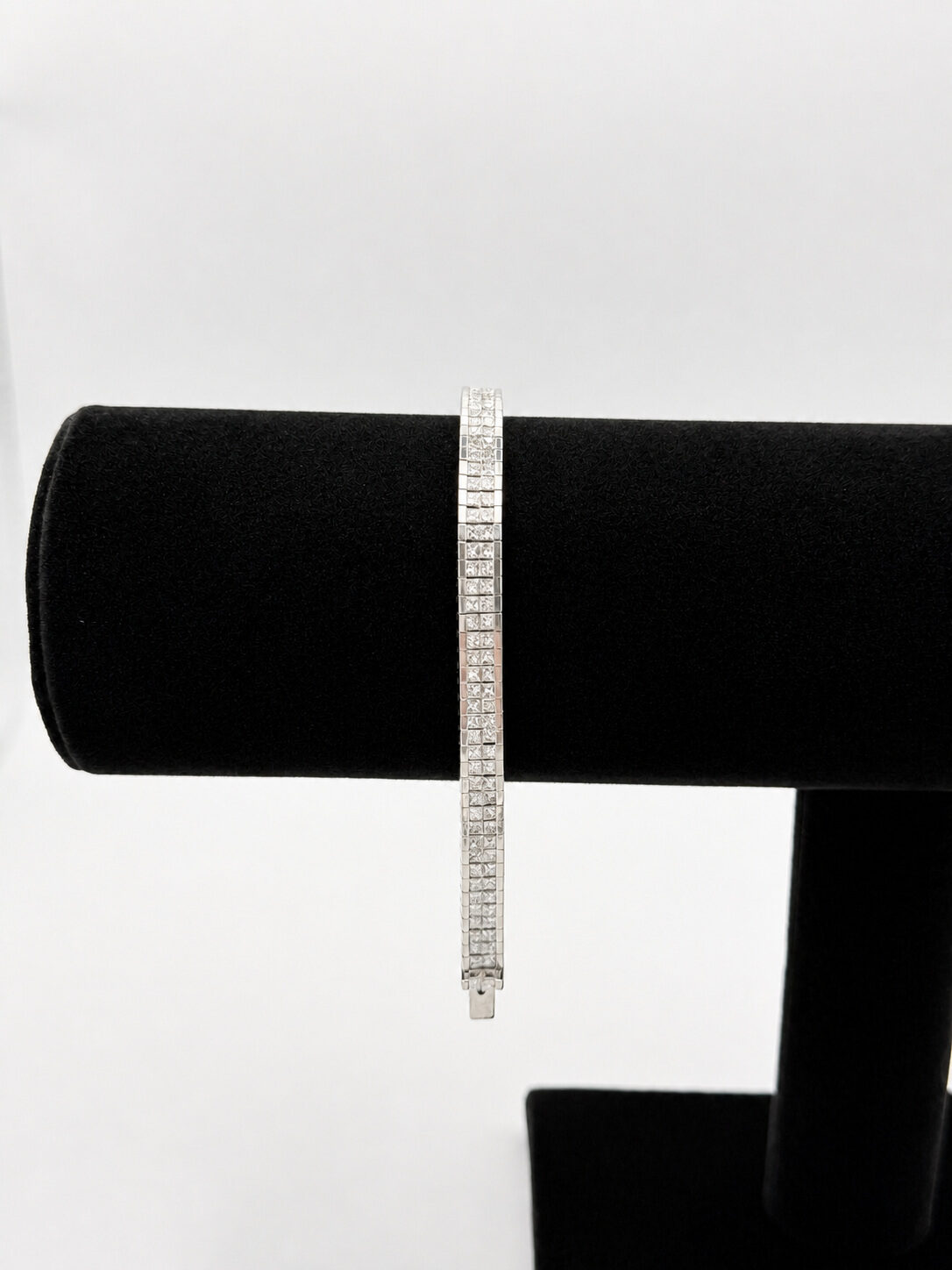
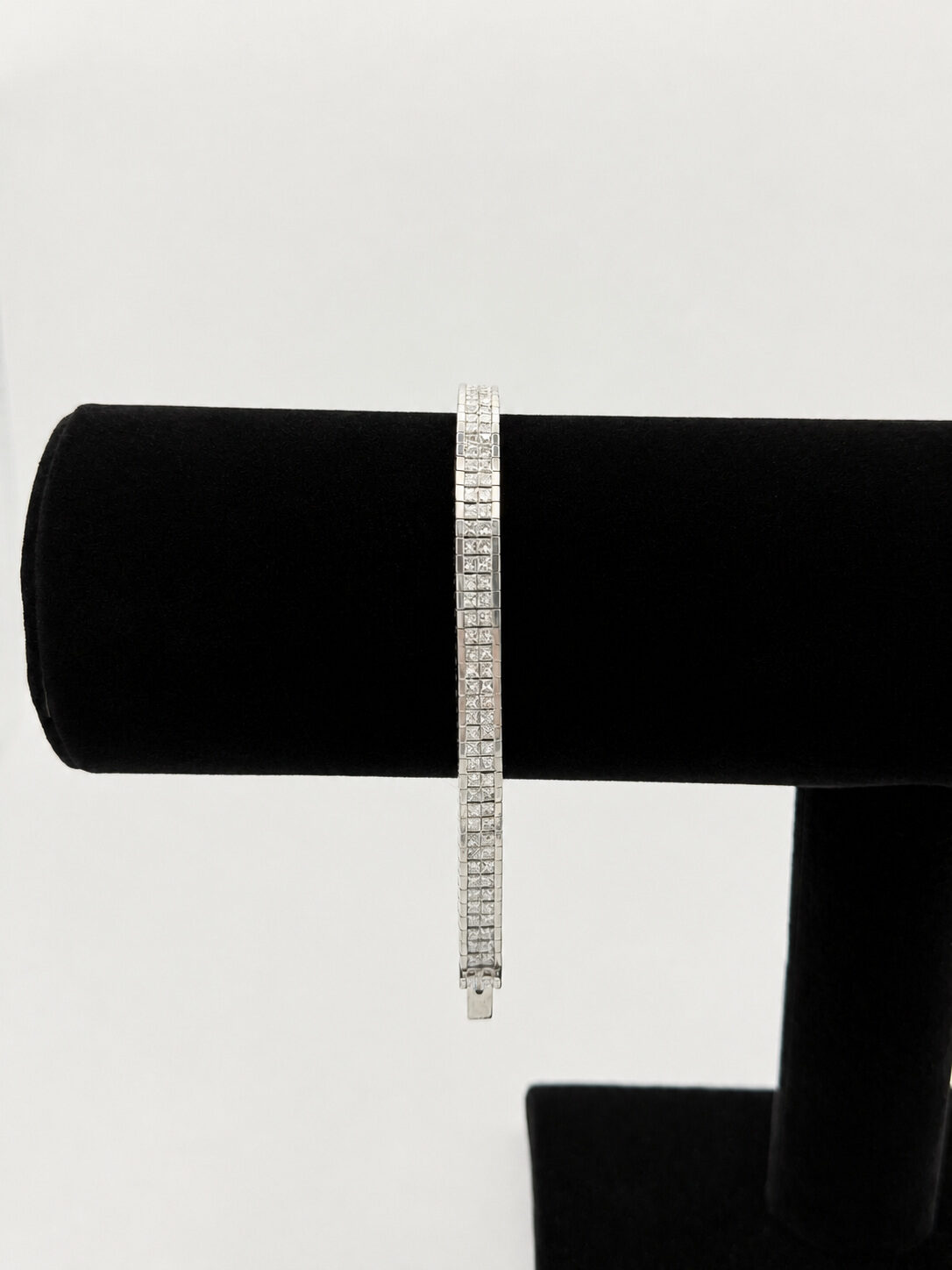
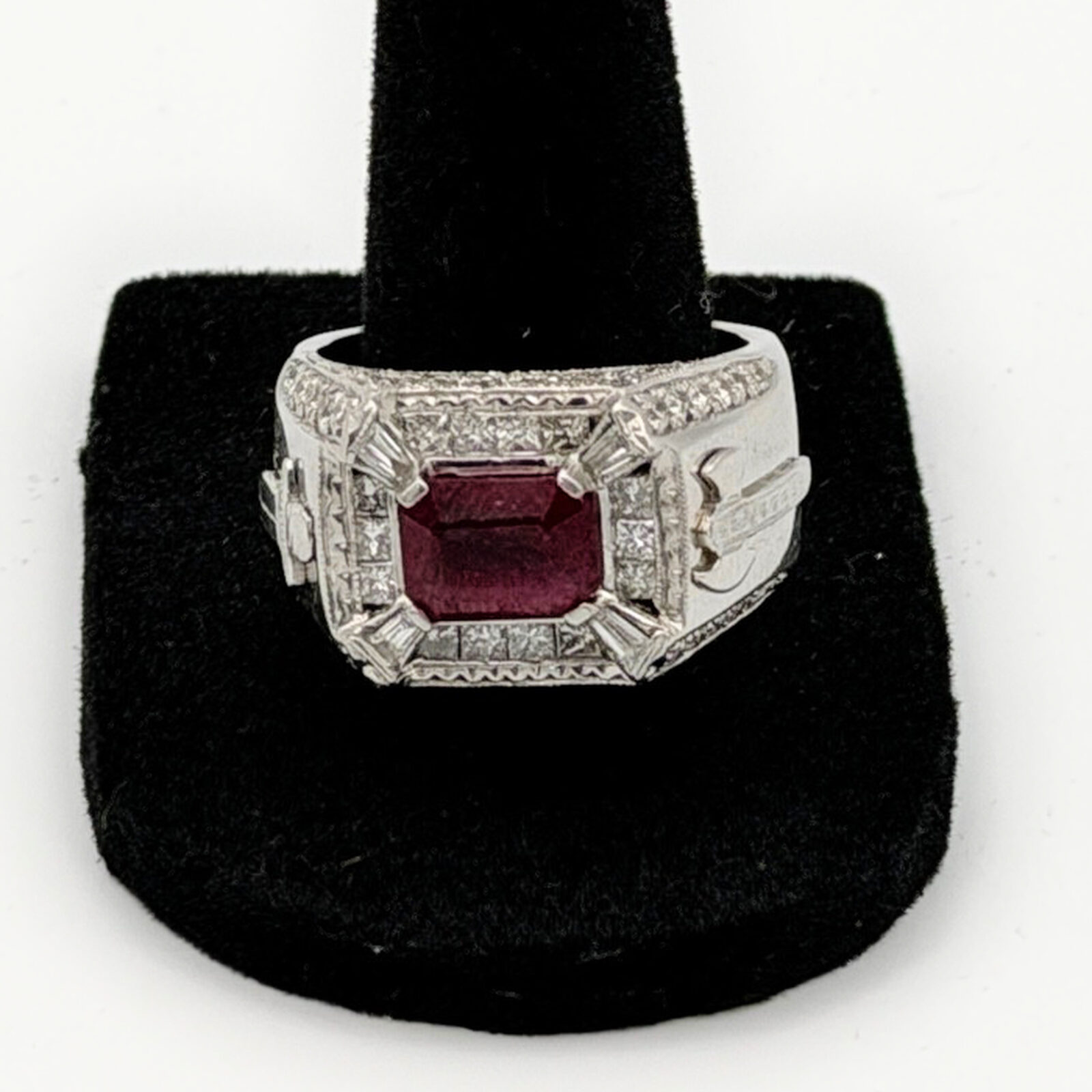
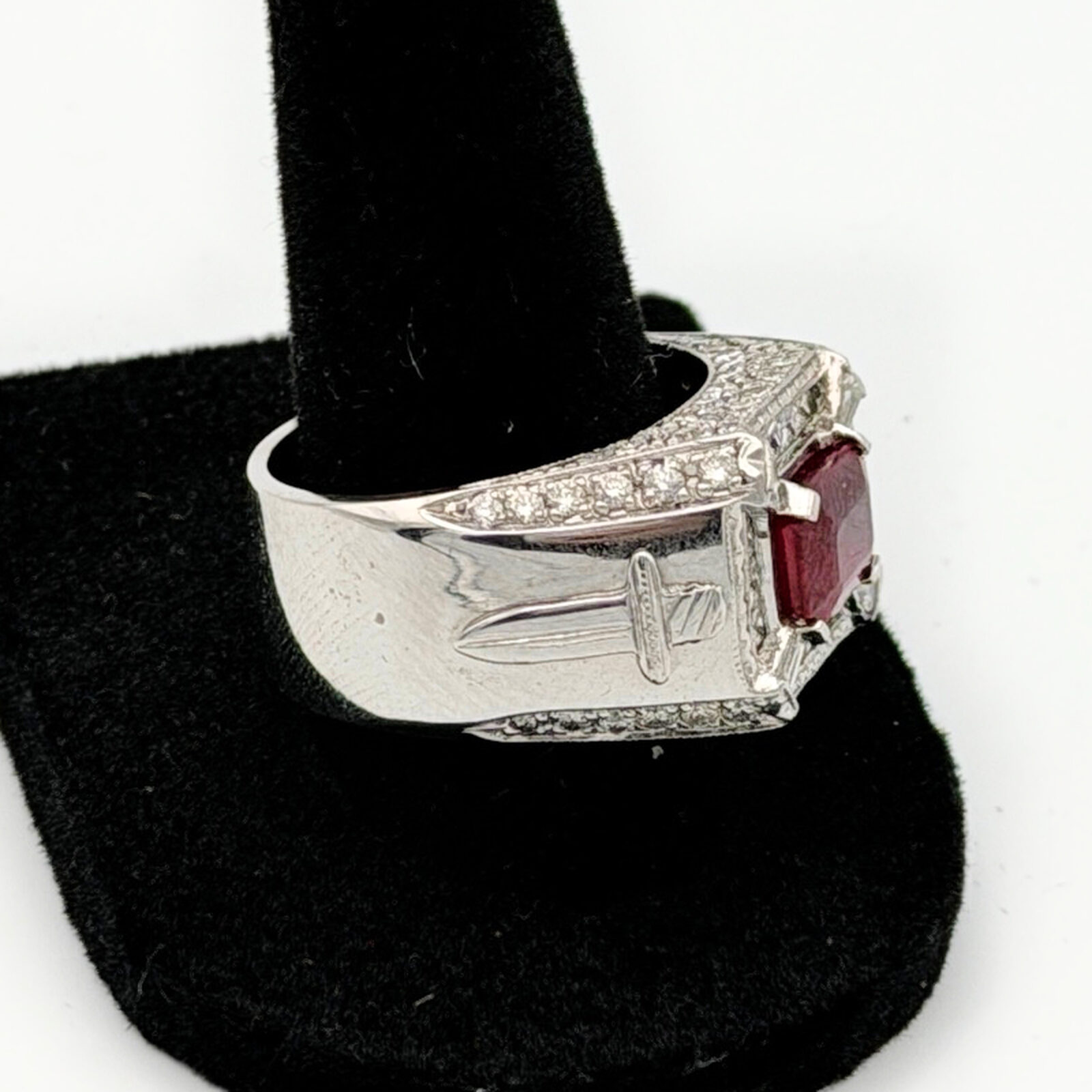
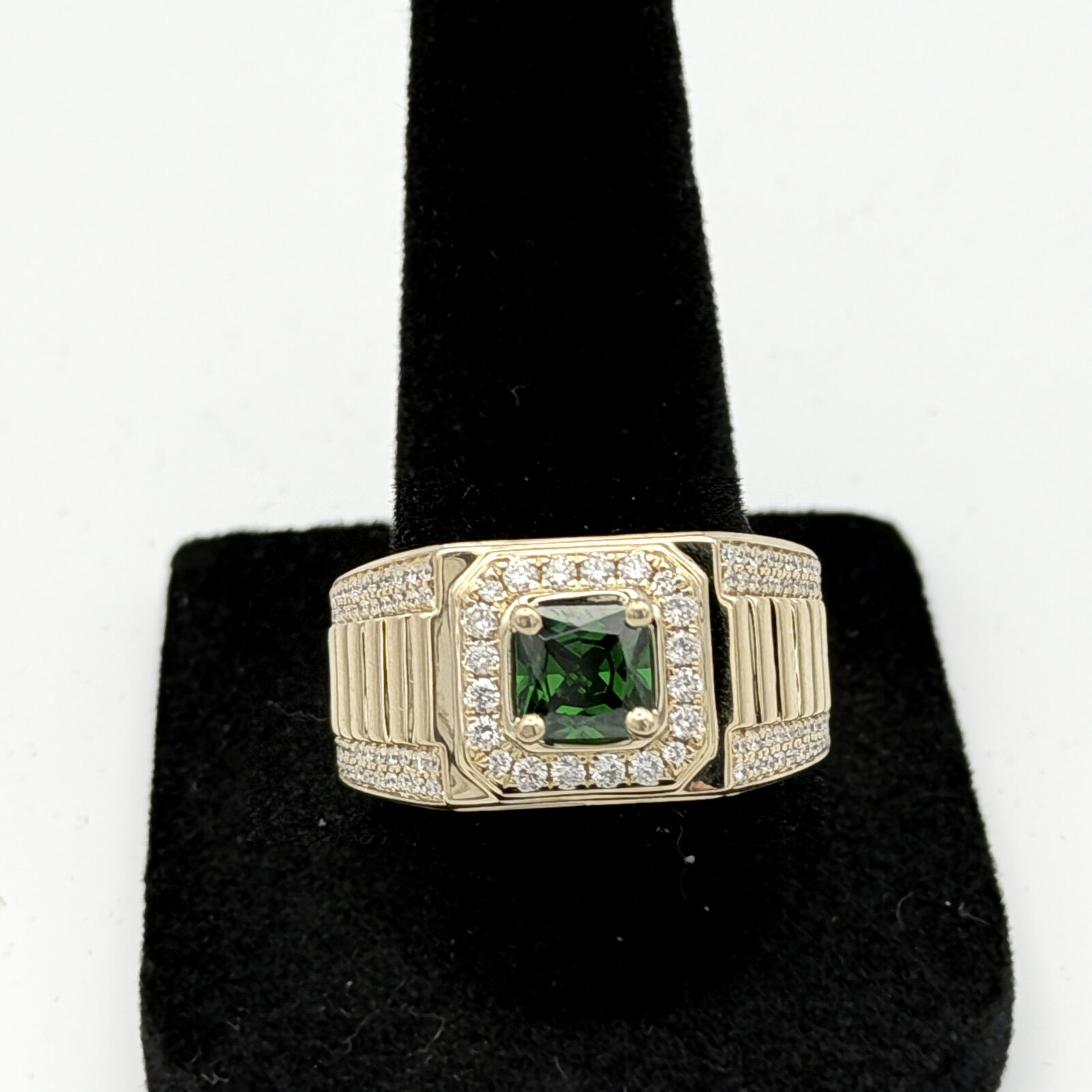
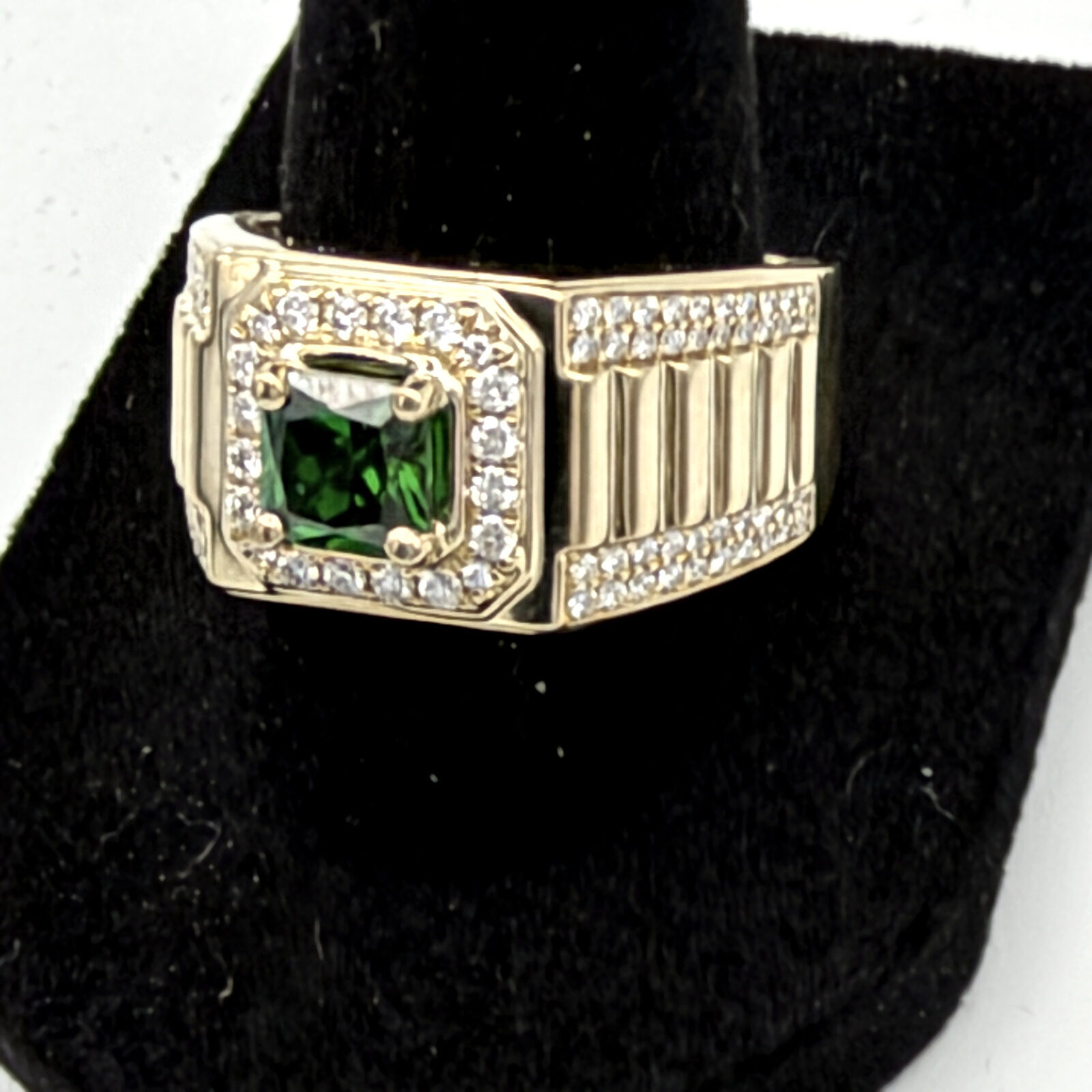
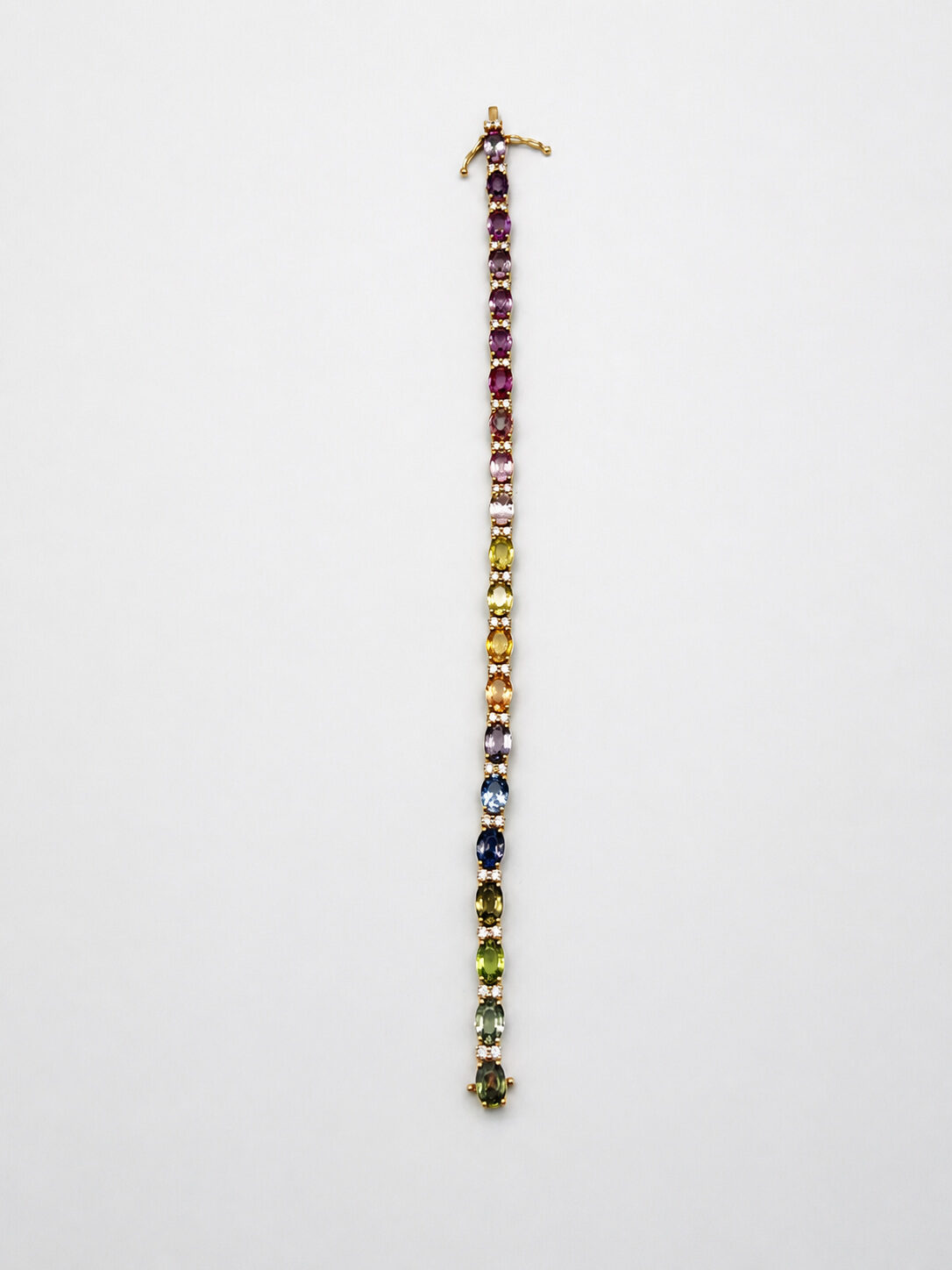
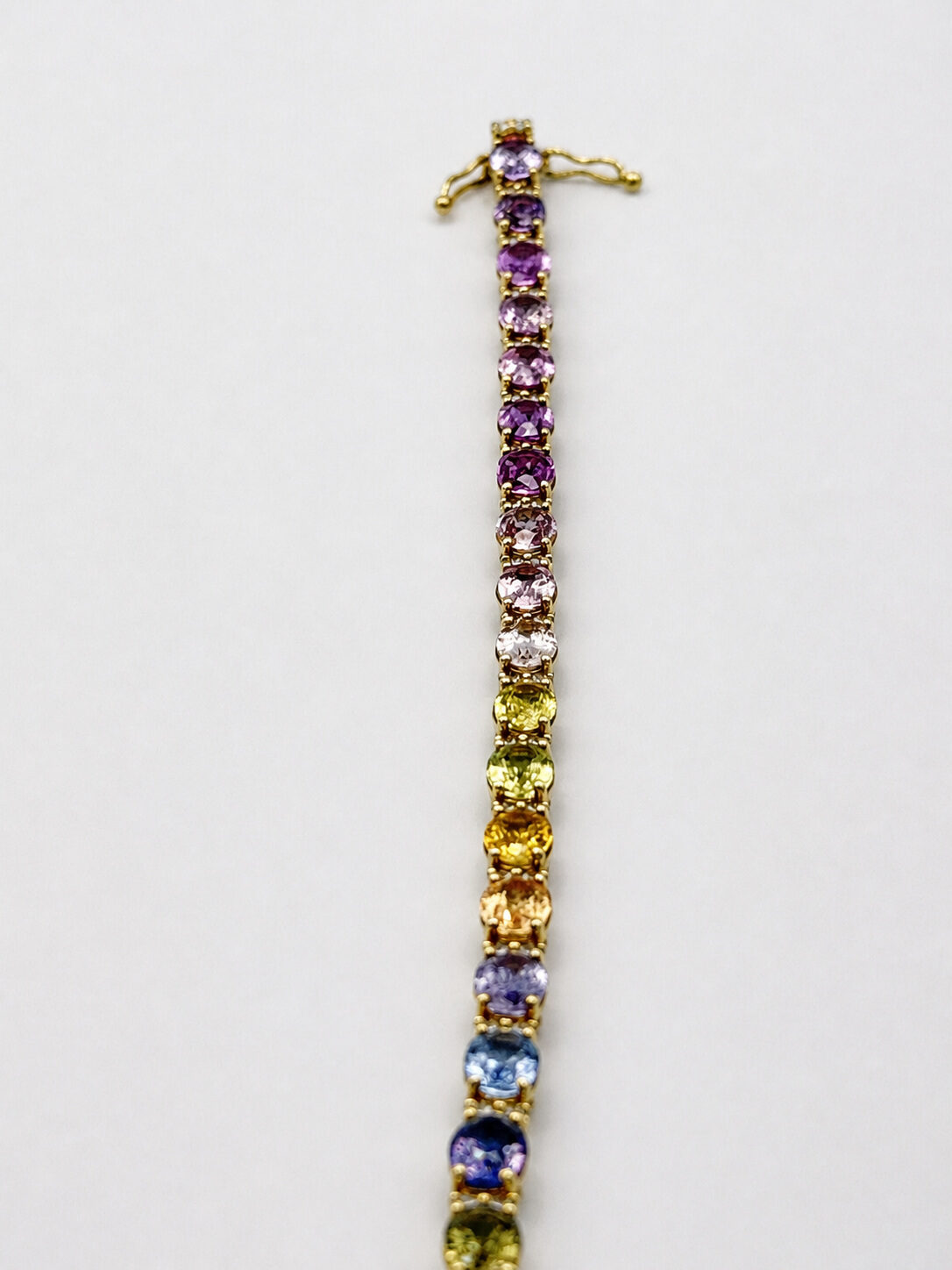
Every listing here is photographed as-is. The scratches you can see are the scratches that exist. The clasp in the photo is the clasp you will open. The piece is weighed on a calibrated scale and the weight is stated, which means you can do the melt arithmetic yourself before you spend anything. A listing that shows you the actual object and tells you its exact weight has given you everything you need to check the price independently. That is what trust looks like in this category: not a promise, but enough information to verify.
Based in Fullerton, collection by appointment
The business is based in Fullerton, in north Orange County. There is no showroom with its attendant overhead, which is part of why the pricing can stay close to the metal. Instead, local buyers can arrange collection by appointment. You see the piece in hand, in person, before it changes hands, without either party sitting in a retail environment engineered to close a sale. Handle the chain, feel the weight the listing promised, open the clasp, take your time. An appointment is a conversation about one specific piece, not a tour of a case.
For buyers elsewhere, every piece ships fully insured with signature confirmation required on delivery. Nothing travels uninsured, and nothing is left on a doorstep. Either way, the piece you examined in the listing is the piece that changes hands, because there was only ever one of it.
How payment works, stated plainly
Payment terms are published rather than negotiated at the counter. Purchases under $5,000 can go on a card. Above $5,000, payment is by wire transfer, Zelle, or cash on collection. This is standard practice among serious precious-metals sellers, because card networks allow reversals long after an item has shipped, and no honest seller of five-figure gold can carry that risk indefinitely. The threshold is disclosed up front so there are no surprises at checkout.
All sales are final, which is the other half of the same logic: the listings exist to give you everything needed to decide before you buy, not after. Exact weight, stated karat, and photographs of the actual item replace the return policy that a vaguer listing would require.
Where to begin
If you are in Orange County and have only ever bought gold under mall lighting, the useful first step is simply to browse with the weight numbers visible. Look through the current pieces, divide any price by its gram weight, and compare that figure to what the metal is worth. The arithmetic makes its own argument. For questions about a specific piece, or to arrange collection in Fullerton, use the enquiry form and include the piece you are asking about.